
Scandia, Minnesota is the site of the first Swedish settlement in Minnesota. Gammelgarden Museum in Scandia helps preserve this history through its programs, exhibits, and five historic buildings while celebrating the stories of all immigrants and their communities.
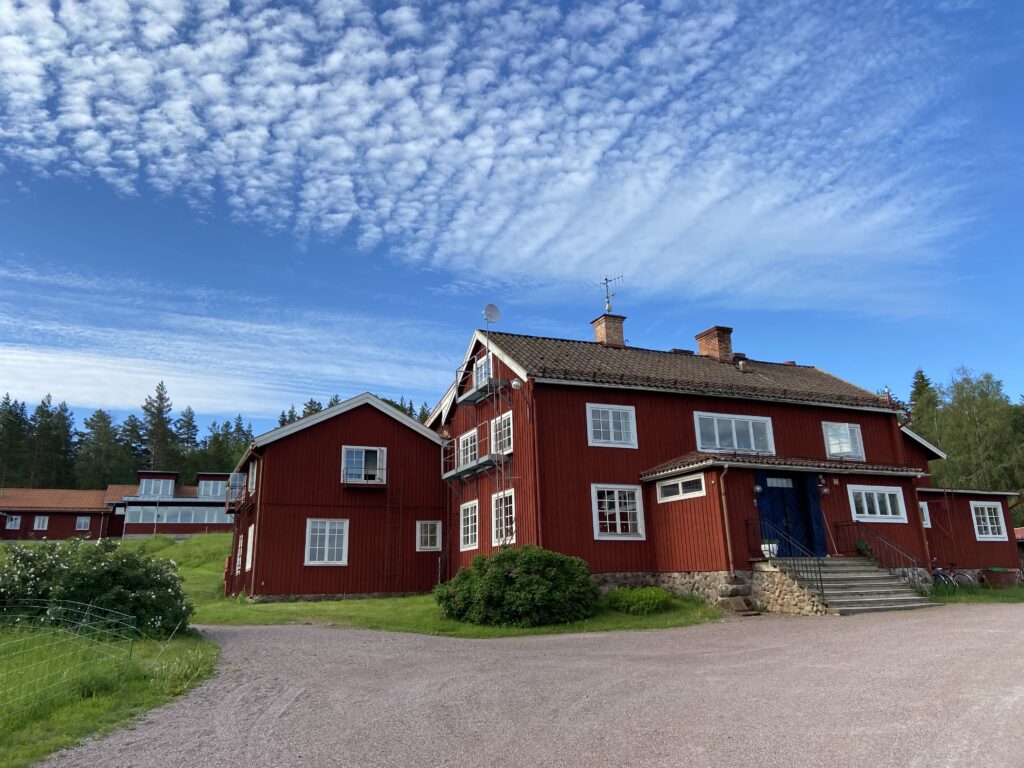
On the second floor of the Välkommen Hus (shown above), there is an old floor loom. The loom was made in Sweden by a father with the intention that it would go to America with his daughter and her husband who would leave shortly after their wedding. The year 1879 is painted on the loom.
The daughter and her family used the loom in northern Minnesota until 1962 when it was sold at auction to Myrabelle Lange Sommerfeld. Myrabelle used the loom for rug weaving until early 1999. Everyone she knew had one of her rugs! In 2003, the loom was generously donated to Gammelgarden by Myrabelle’s daughter, April Sommerfeld Corgärd.
While the loom has been admired by countless visitors, it needed some minor repairs to be functional again. The Gammelgarden staff put an ad in the classified section of the Weavers Guild of Minnesota website, asking for assistance.

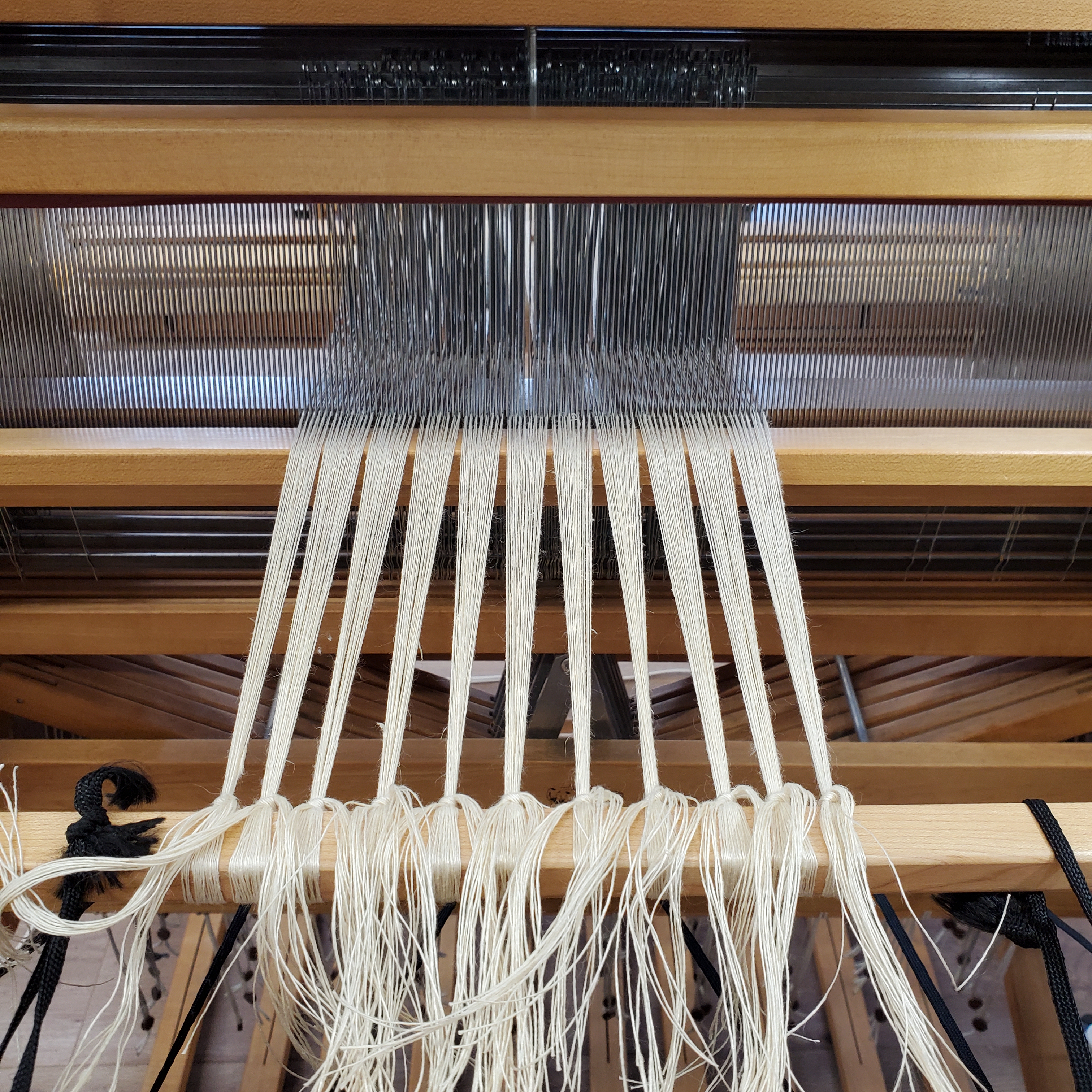
Judy Larson, a member of the Scandinavian Weavers, happily volunteered. “It was an opportunity to see an old Swedish loom and visit Gammelgarden,” she explains. “The counterbalance loom is dated 1879 and was carved by a father for his daughter who was leaving for America. The side supports have some lovely wood carvings. As the loom was used by generations of weavers, there were changes made. A worm gear was added in place of the back brake. The string heddles were changed to metal heddles, and the shafts and treadles were held with nylon cords secured by wires, instead of knots. The front brake was still original and is exactly like the one on my great grandmother’s Swedish loom.”
Judy got to work restoring the loom: “I reset the worm gear rotation wheel to engage correctly, and then got the treadle cords and heddle cords to pull evenly and adjusted the reed height to get a better shed. The loom was now functional, and weaving could happen.”

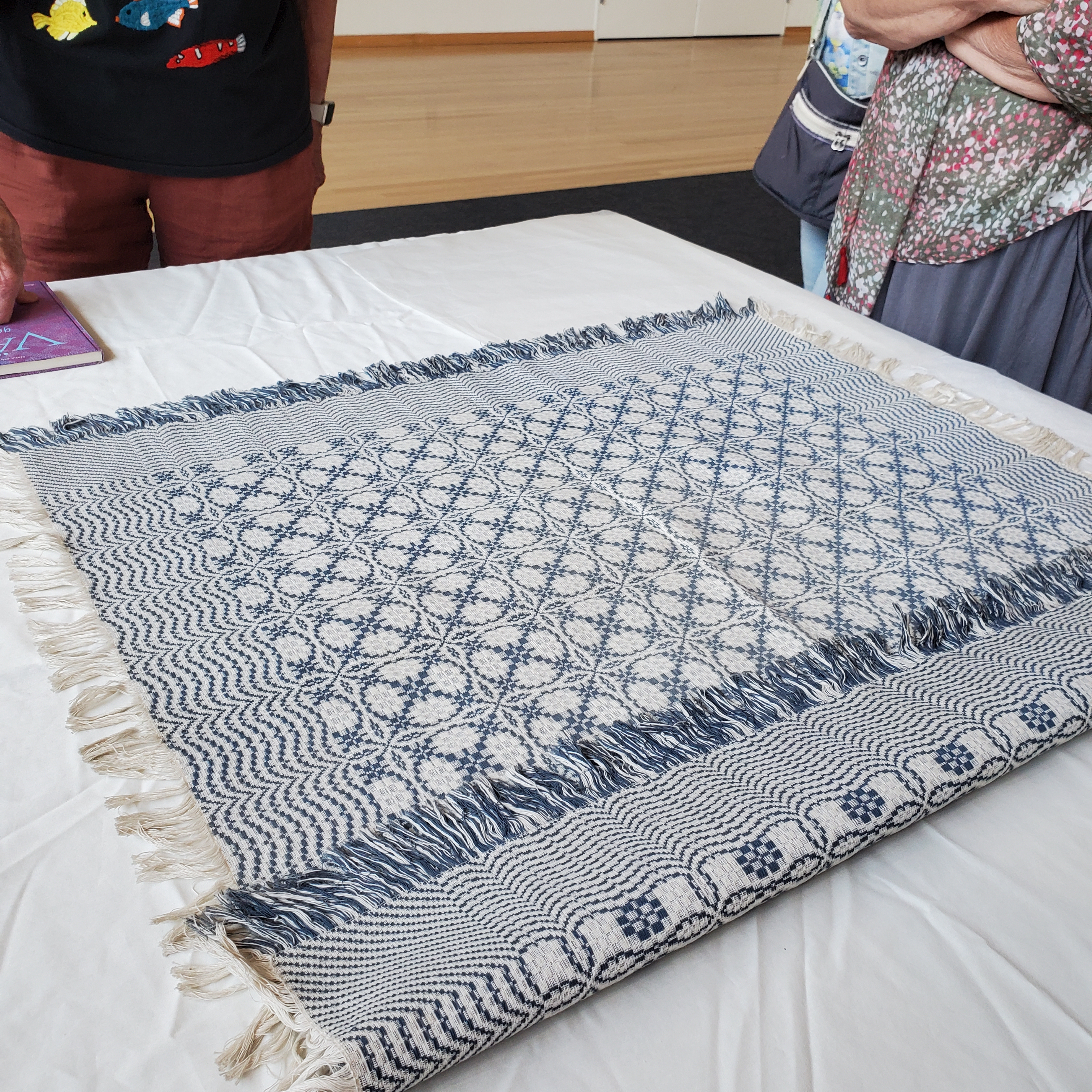
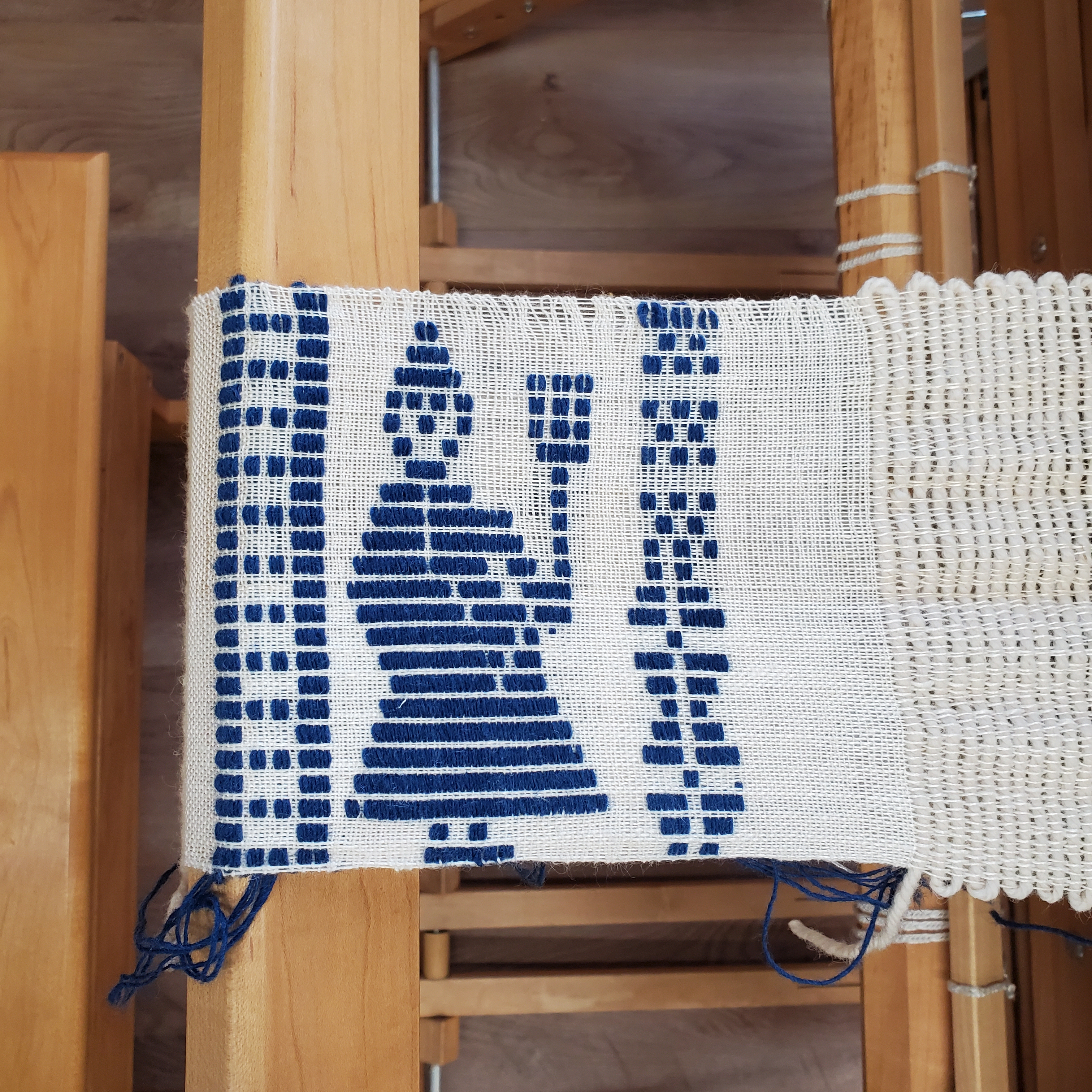
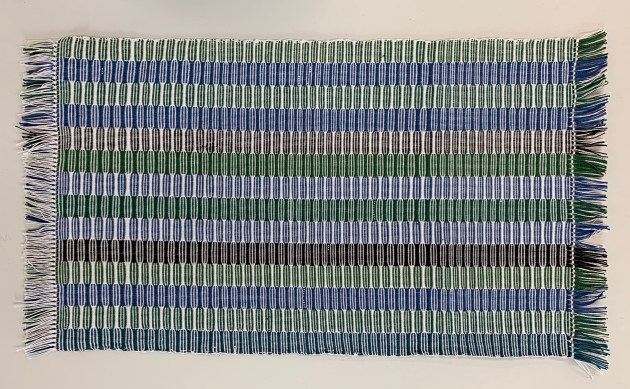
Judy returned two weeks later with fabric weft prepared and started weaving a blue gingham placemat: “I showed three volunteers how to weave on the loom, and even got some visitors to try throwing the shuttle across. The video was made, and a short description of weaving terms is posted by the loom. There is a QR code for visitors to access the video and see the 144-year-old loom in action.” Judy donated more weft fabric so weaving can continue.


Judy also restored an old tape loom at Gammelgarden so it is now functional. Thanks to her generosity and expertise, visitors to Gammelgarden can try their hand at weaving, which played such an important role in the daily lives of Swedish immigrants.


Less than an hour from the Twin Cities, Gammelgarden is well worth a visit! Be sure to try out the loom while you are there. To learn more, visit their website at gammelgarden.org (link below)






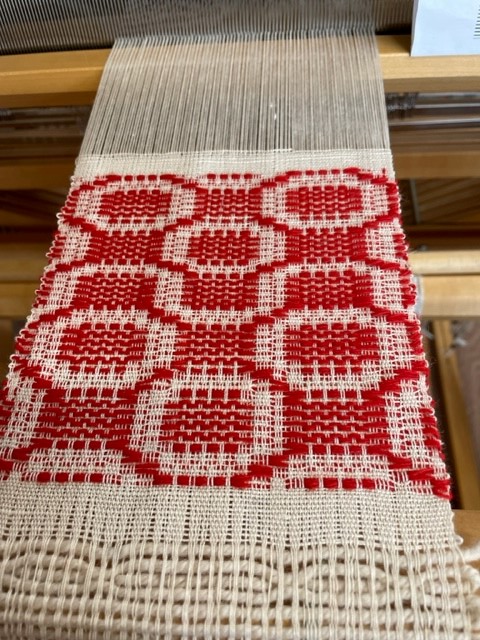


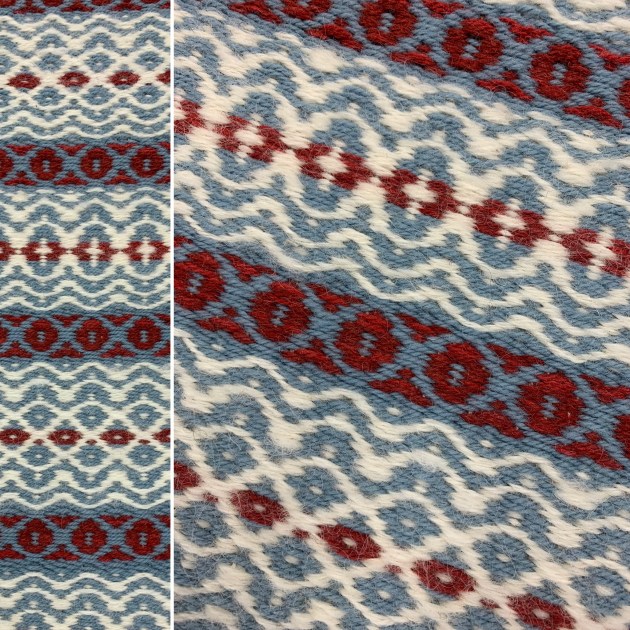

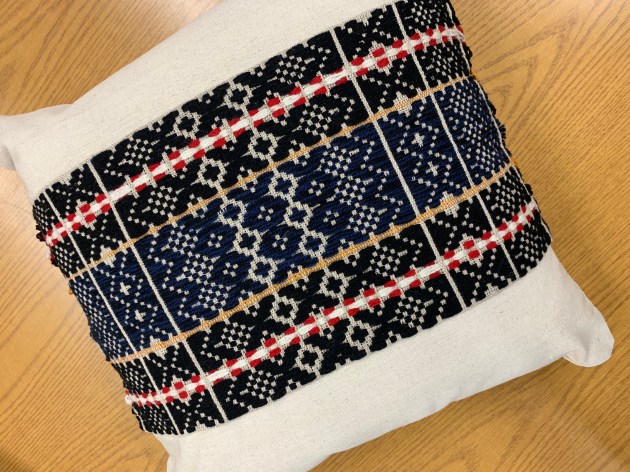
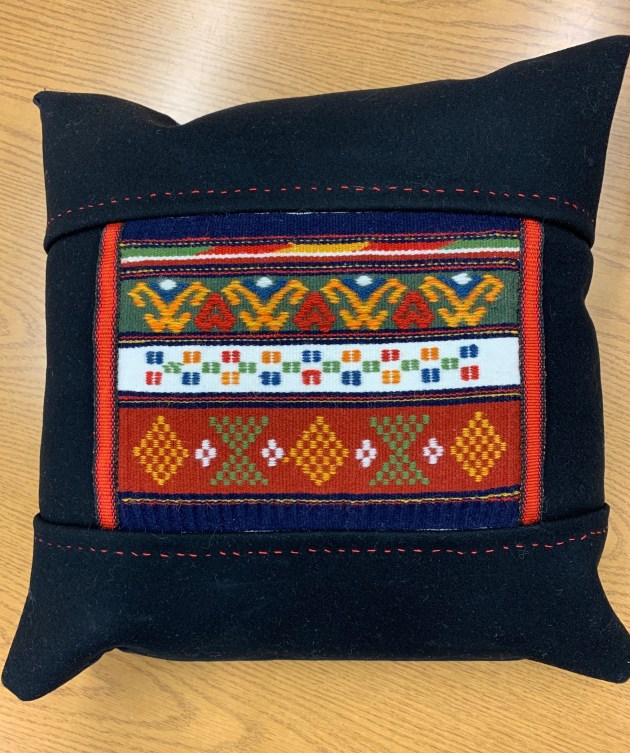
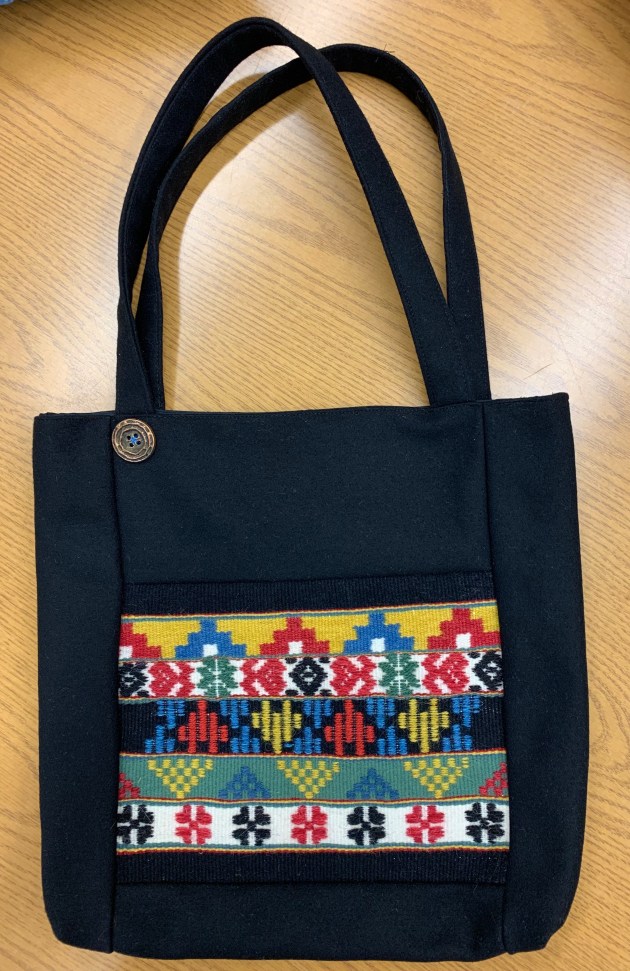

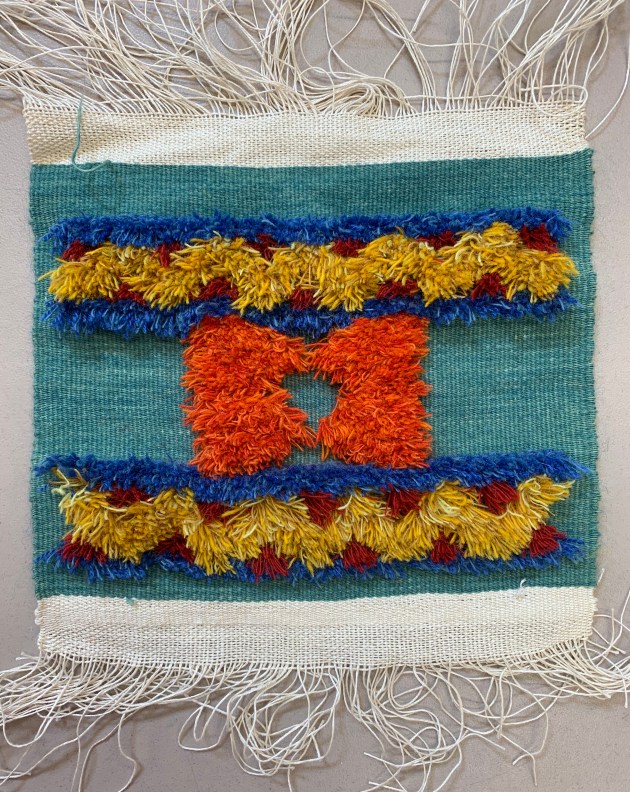

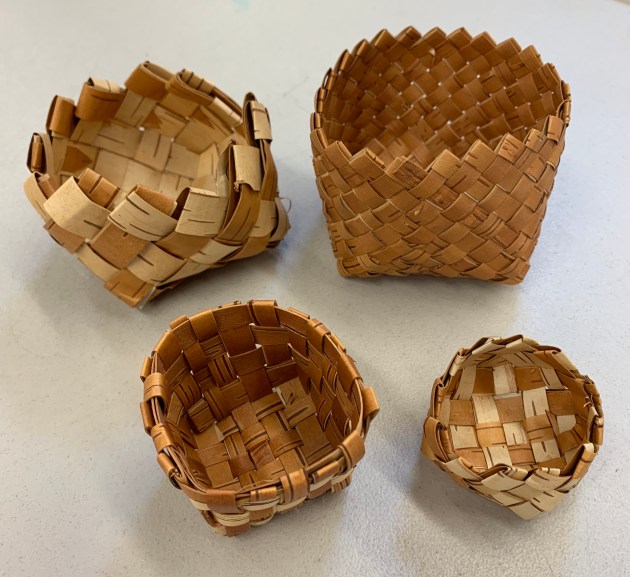
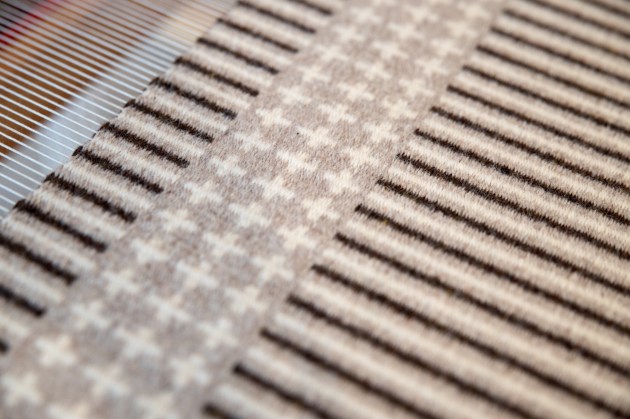


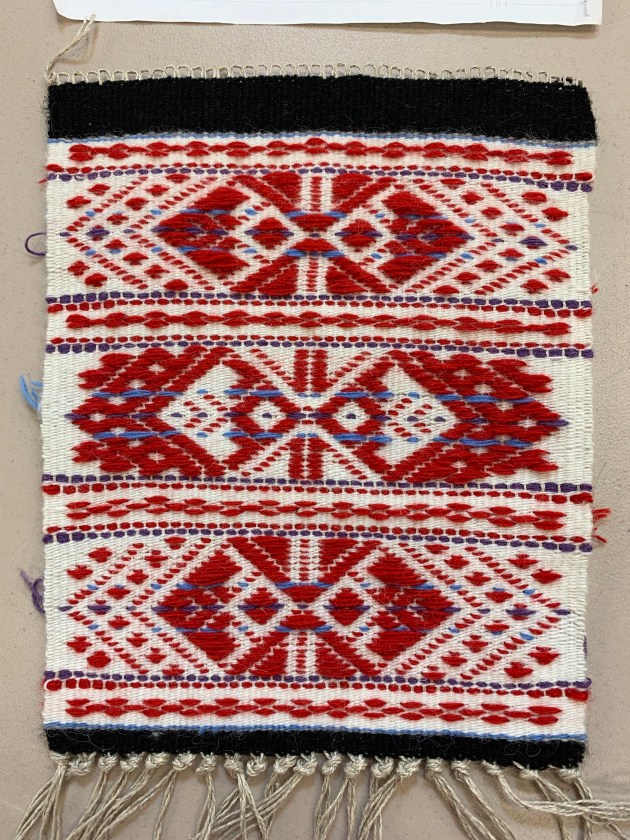


 Swedish art weaves are at their best in the highly decorated weavings of the Skåne area of Sweden. Dukagång, krabbasnår and halvkrabbe are woven in a similar manner using butterflies to inlay designs, but each have a distinctive look. Dukagång is made up of columns. Krabbasnår designs move on a diagonal while halvkrabbe is made up of squares like a checkerboard. Rölakan is a geometric tapestry technique that is also seen in the weavings of Skåne. Students will weave a sampler of these techniques, discuss color choices, finishing techniques and ideas for making a sampler into a pillow or bag.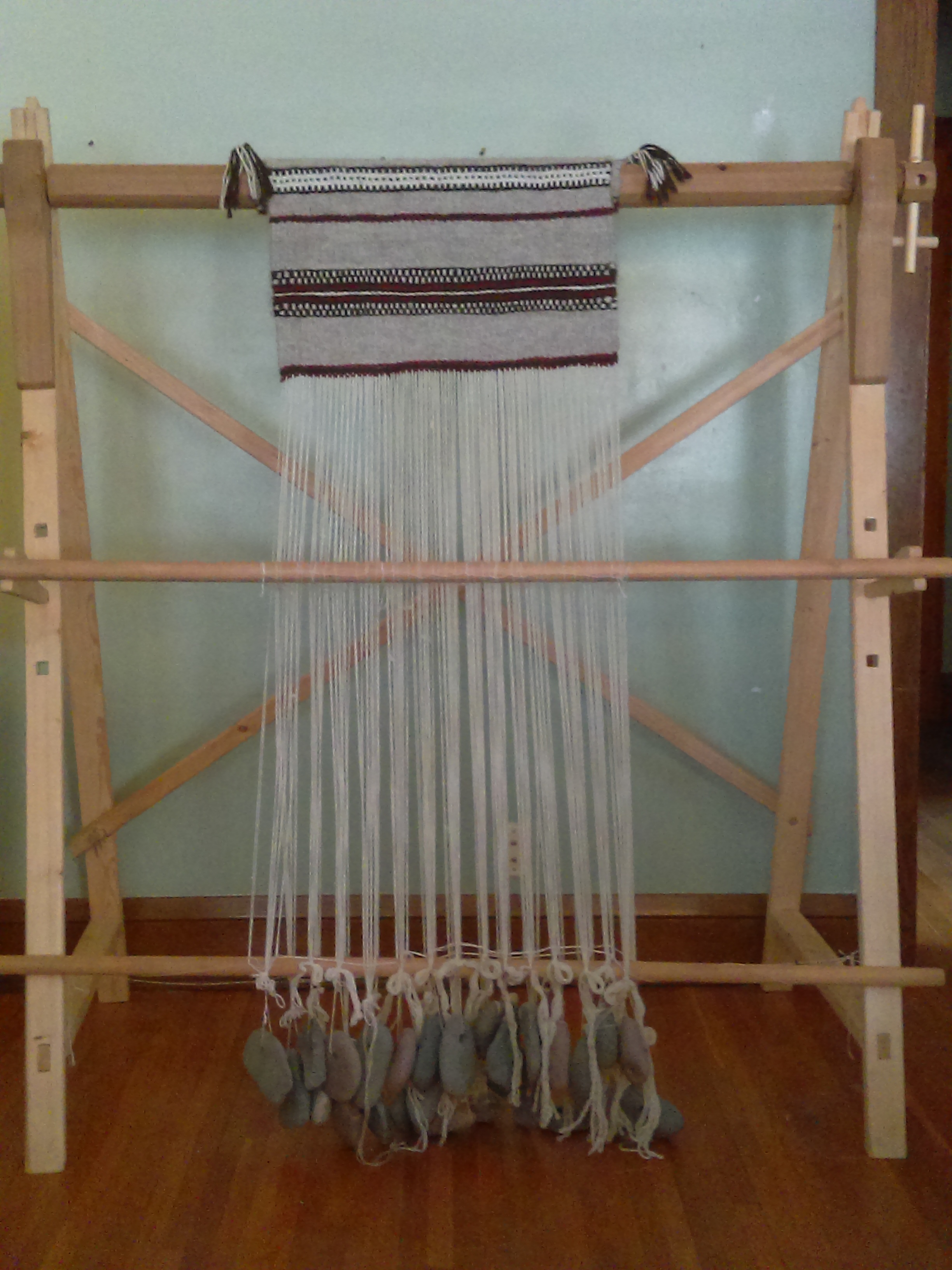


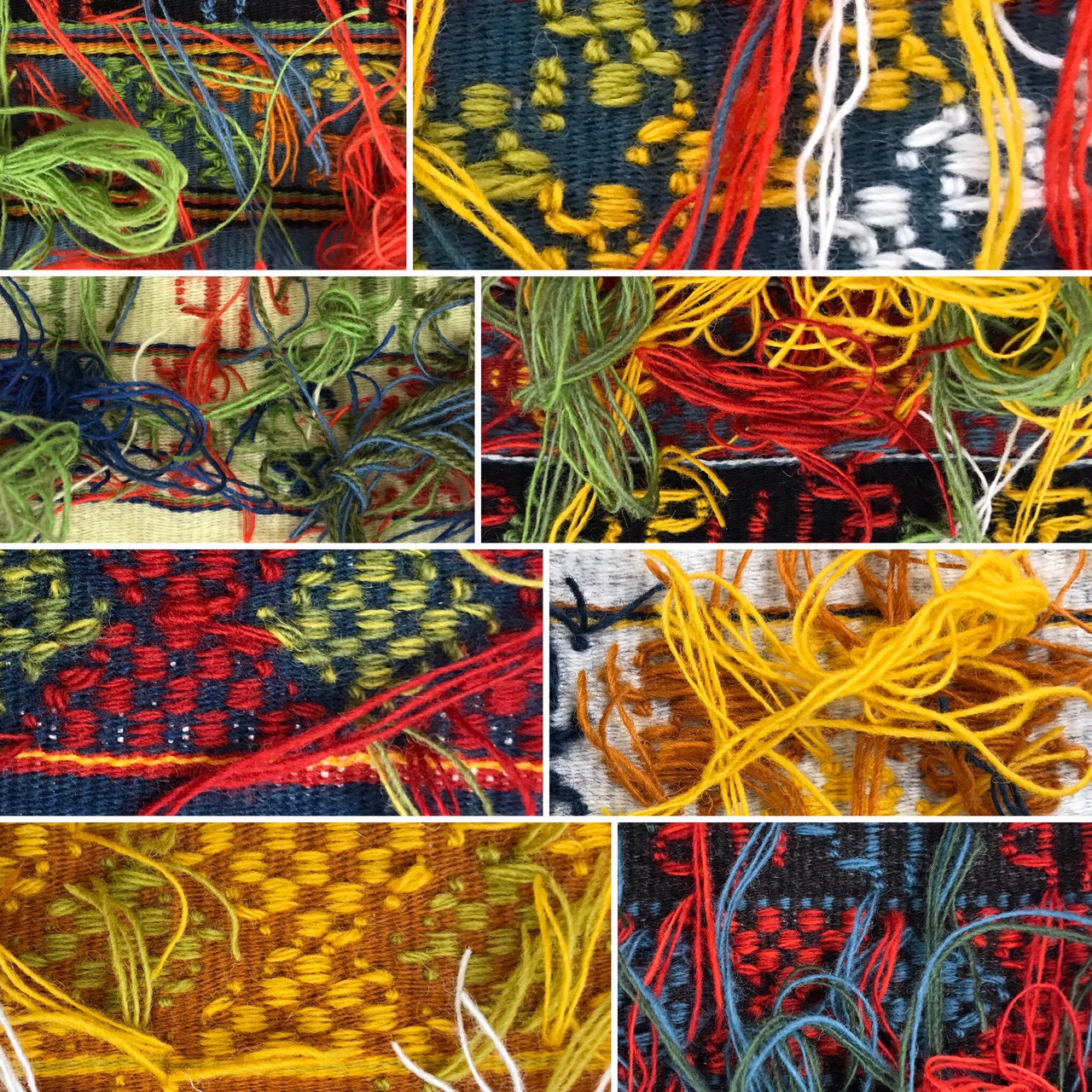


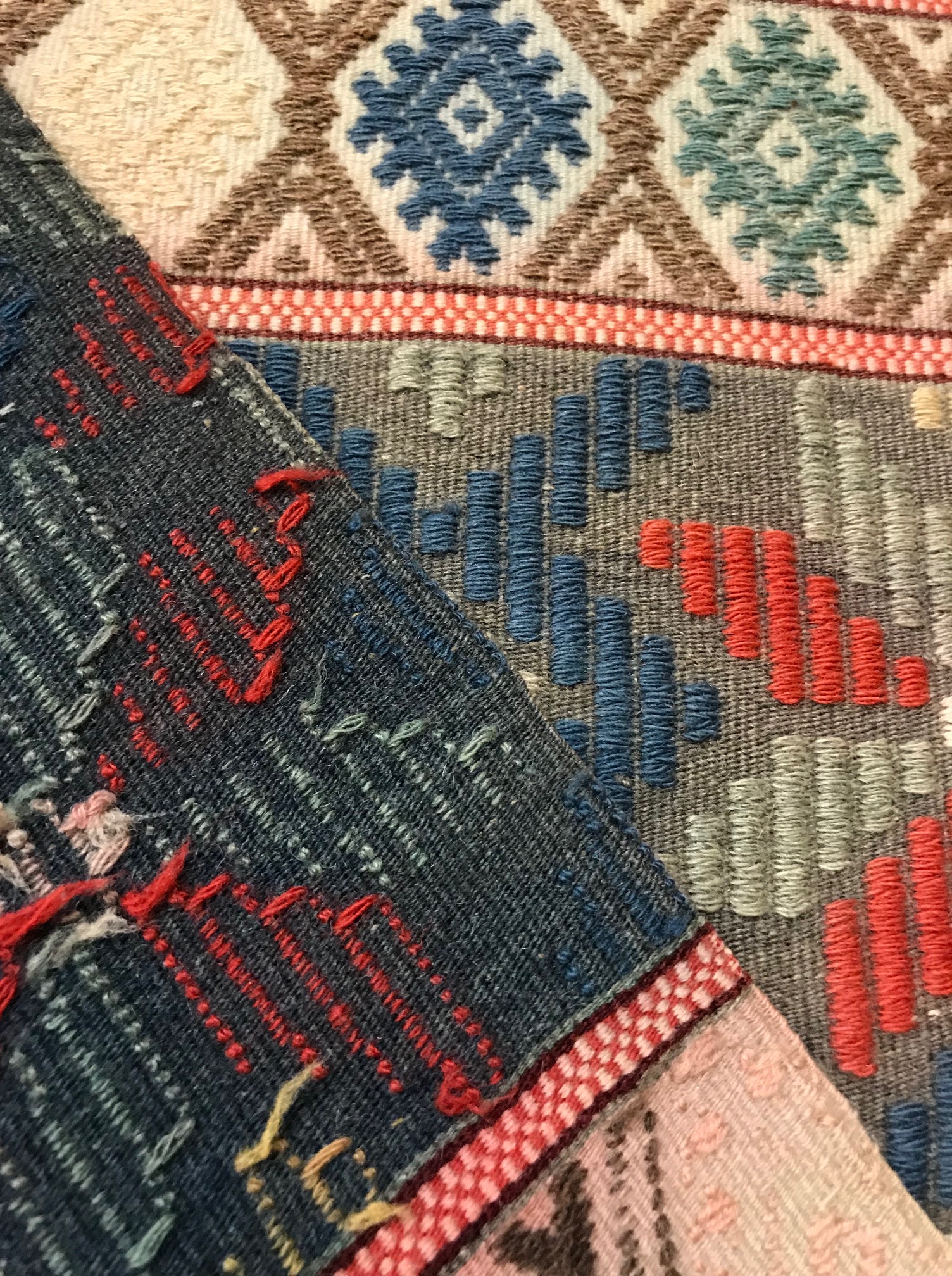
 Carol wondered, why would someone put these two together? She started to undo the stitching, but stopped when she received the recently translated book,
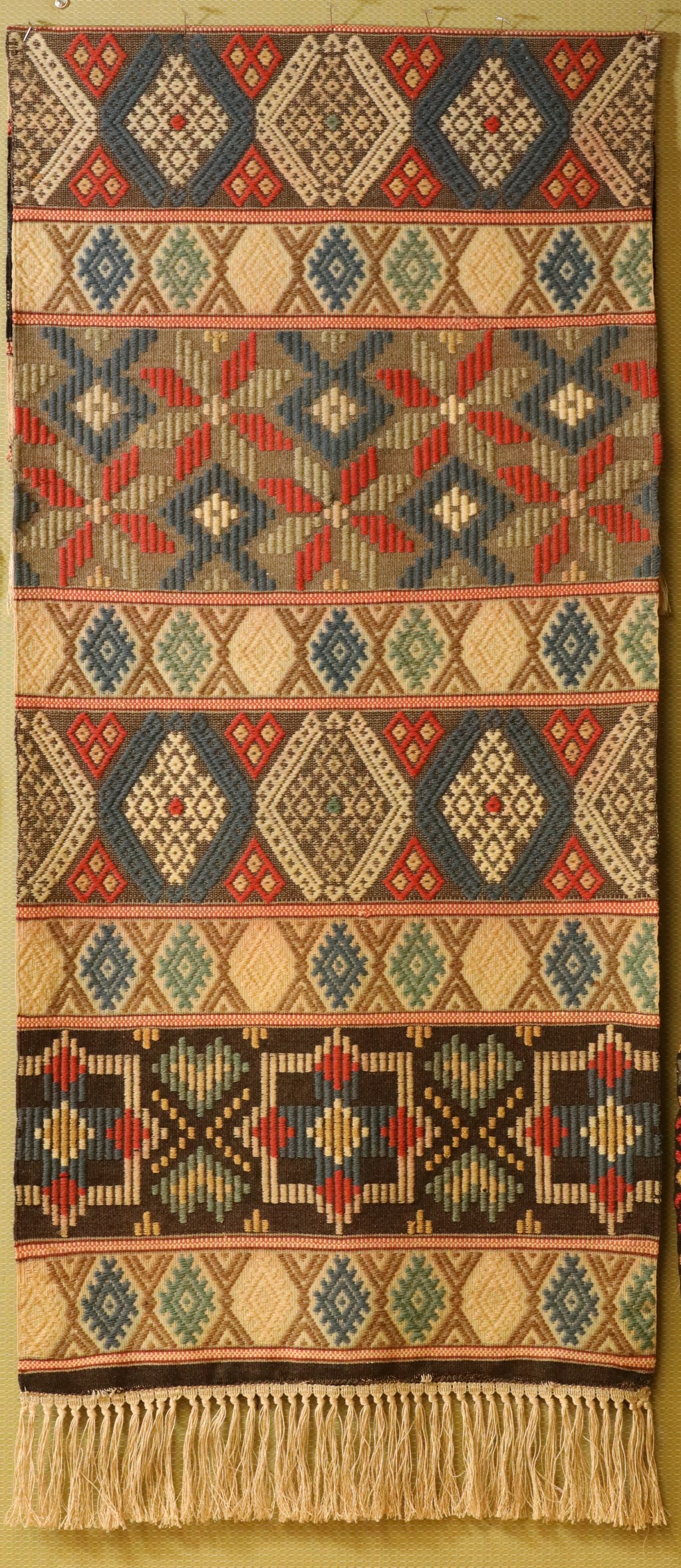
 Today we celebrated Carol Johnson’s passionate textile collecting and generous sharing of her weavings for a Weavers Guild exhibit. A good reason for a cake! Lisa Torvik took the cake decorations as cutting instructions. Next week is Jan Mostrom’s class in Swedish Art Weaves. Luckily for the students there are seven exquisite art weave pieces up on the walls in the same room as the class–perfect for inspiration.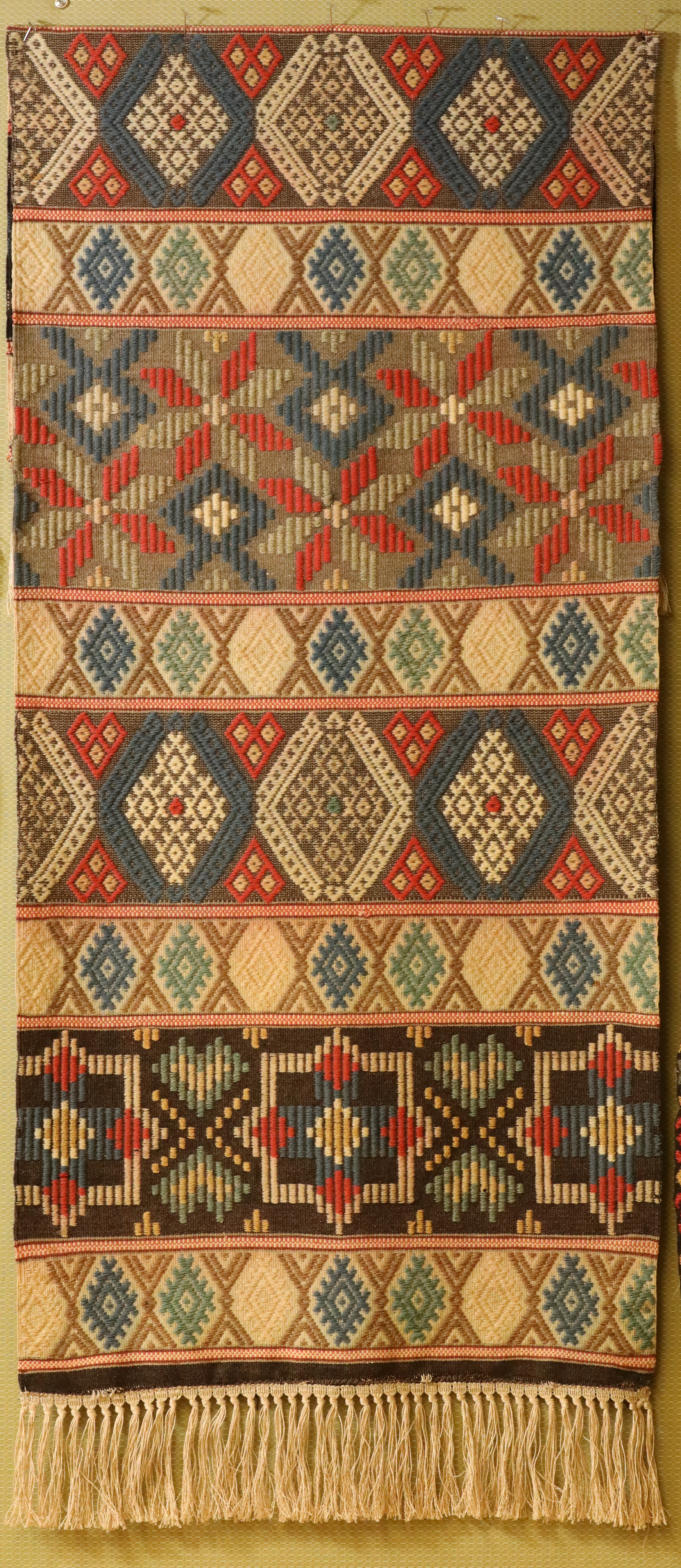
 Scandinavian Weavers Study Group