Category: Uncategorized

  • A Virgin and Violence: Lila Nelson’s Weaving at the American Reboot Exhibit

    A Virgin and Violence: Lila Nelson’s Weaving at the American Reboot Exhibit

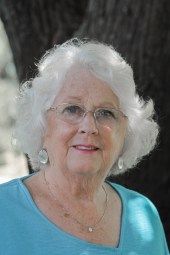
    IMG_1904Lila Nelson, who died in 2015 at age 93, was the Registrar and Curator of Textiles at the Vesterheim Norwegian American Museum for 27 years, and a mentor to many of the weavers whose works are in the “Traditional Norwegian Textiles: American Reboot” show. No retrospective of American weaving in the Norwegian tradition would be complete without her work.

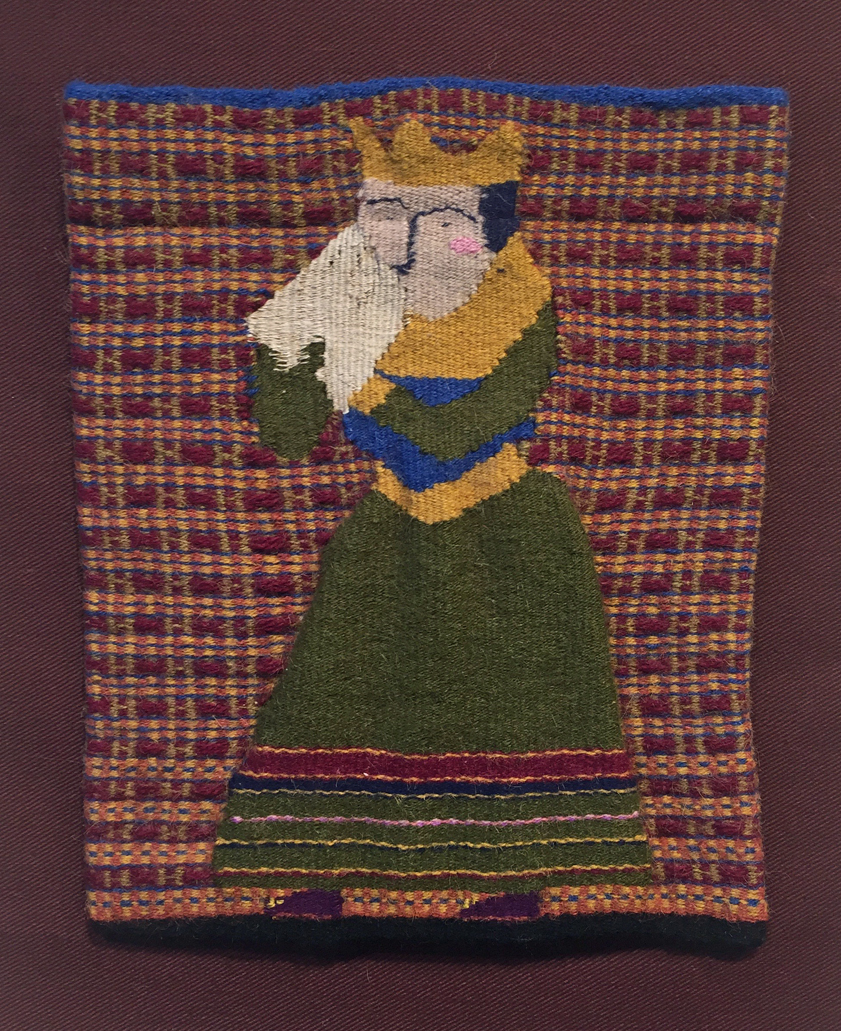
    Two of Lila’s tapestries, both owned by the Vesterheim Norwegian-American Museum, are included in the American Reboot exhibit.  One is a “virgin” with a puffy skirt.  Many people who are fans of Norwegian tapestry, or billedvev (literally, picture-weaving), weave one of the virgins from the most popular medieval weaving motif, the Wise and Foolish Virgins. Lila wove one with attitude, and with a distinctive skirt.  She wove the tapestry on a floor loom and used a clever combination of loom-controlled weave structure along with billedvev technique. When she wove the image of the woman, the threads in the “H” technique of the background floated behind, and she wove the figure in tapestry (billedvev). Perhaps it was unintentional, but that technique made the skirt pouf out.

    virgin-foolishMost of the virgins in the old tapestries held stylized small squares to their faces.  (See the detail here, from a Wise and Foolish Virgins tapestry owned by MIA, the Minneapolis Institute of Art.) On Lila’s virgin, there is no doubt that the foolish virgin is crying into a substantial and functional handkerchief. This piece shows Lila’s lifetime love of experimentation in her weaving. It was also chosen because the exhibit will include many other virgin interpretations, showing the influence of that design in traditional Norwegian weaving.

    lila-virgin.jpg

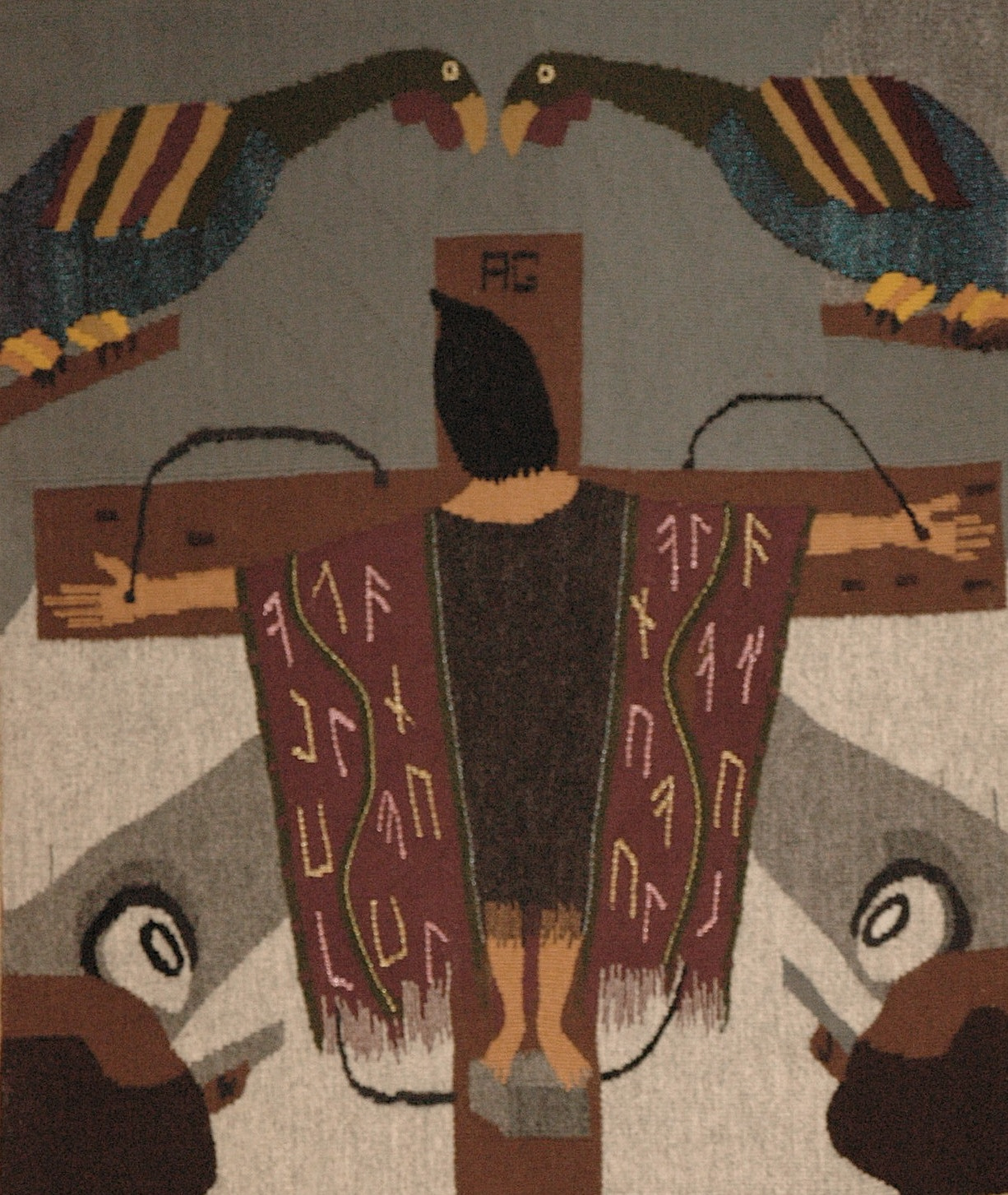
    Lila’s other tapestry in the show illustrates another characteristic of Lila’s work–her frequent commentary on politics and world events.

    9.3 Tree of death (2'5"x2'1")
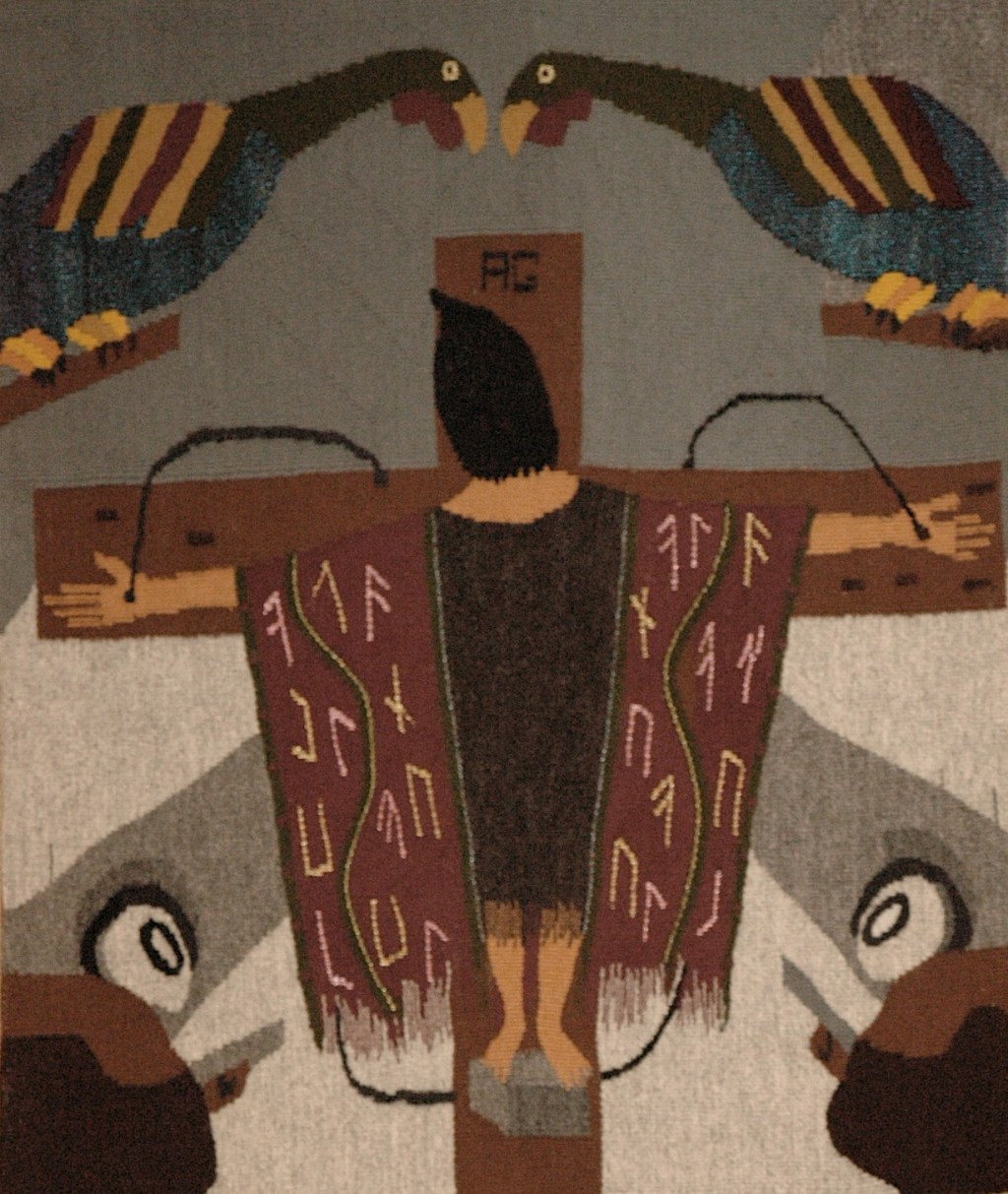
    Tree of Death. Lila Nelson, 2004


    It was inspired by the photo, “Torture at Abu Ghraib,” by Seymour Hersh in the New Yorker on May 10, 2004.  Here are Lila’s comments, as related in an interview with Sam Iverson.

    “I saw an image of how they were treating some of the prisoners to get them to talk at Abu Ghraib and I thought this was quite horrifying. I think you can see that I turned this [image] into a cross-like thing and the AG stands for Abu Ghraib. At the bottom are impersonal guards or soldiers. The characters at the top are “vultures” that are in charge of all this. The designs on the garment are being ironic. They are from one of the Finnish runic alphabets and they are sort of the letters for love.”

    Only two pieces from Lila’s loom are in the American Reboot exhibit, but her influence, whether through acquiring textiles for Vesterheim, or mentoring aspiring weavers, can be directly tied to many other weavings on view.

    Explore more about Lila’s work in these online articles.

    The Tapestries of Lila Nelson: Poetry, Myth, and Protest. This article was published at the time of an exhibit of her work at the Textile Center of Minnesota, November 2 – December 16, 2015. Also, this document includes images and commentary from the show. (Warning: it is a large file and will load very slowly.)

    From Tradition to Protest: Lila Nelson’s Weaving Life.  An overview of a retrospective of Lila Nelson’s work at the Vesterheim Norwegian-American Museum, December 5, 2015 – November 16, 2016.

    At a celebration of her life held on June 25, 2015, several friends spoke about Lila: Robbie LaFleur, Laurann Gilbertson, Carol Colburn, Lisa Torvik, Claire Selkurt, Wendy Stevens, and Mary Skoy.

    The May 2012 issue of the Norwegian Textile Letter was devoted to Lila and her work.

    Watch a video interview by Sam Iverson about Lila’s political weavings, here.

  • A Two-sided Textile: Pick Your favorite Side

    A Two-sided Textile: Pick Your favorite Side

    Iowa artist Laura Demuth sets up amazing weaving challenges for herself.  Often, not content with just buying and weaving with beautiful wool, she spins and dyes yarn from her own sheep.  In a number of weavings she has gone beyond weaving for beauty on one side, and combined techniques to make unique two-sided textiles.  One of those will be included in the upcoming “Traditional Norwegian Weaving: American Reboot” exhibit at Norway House from July 20-September 10, 2017.

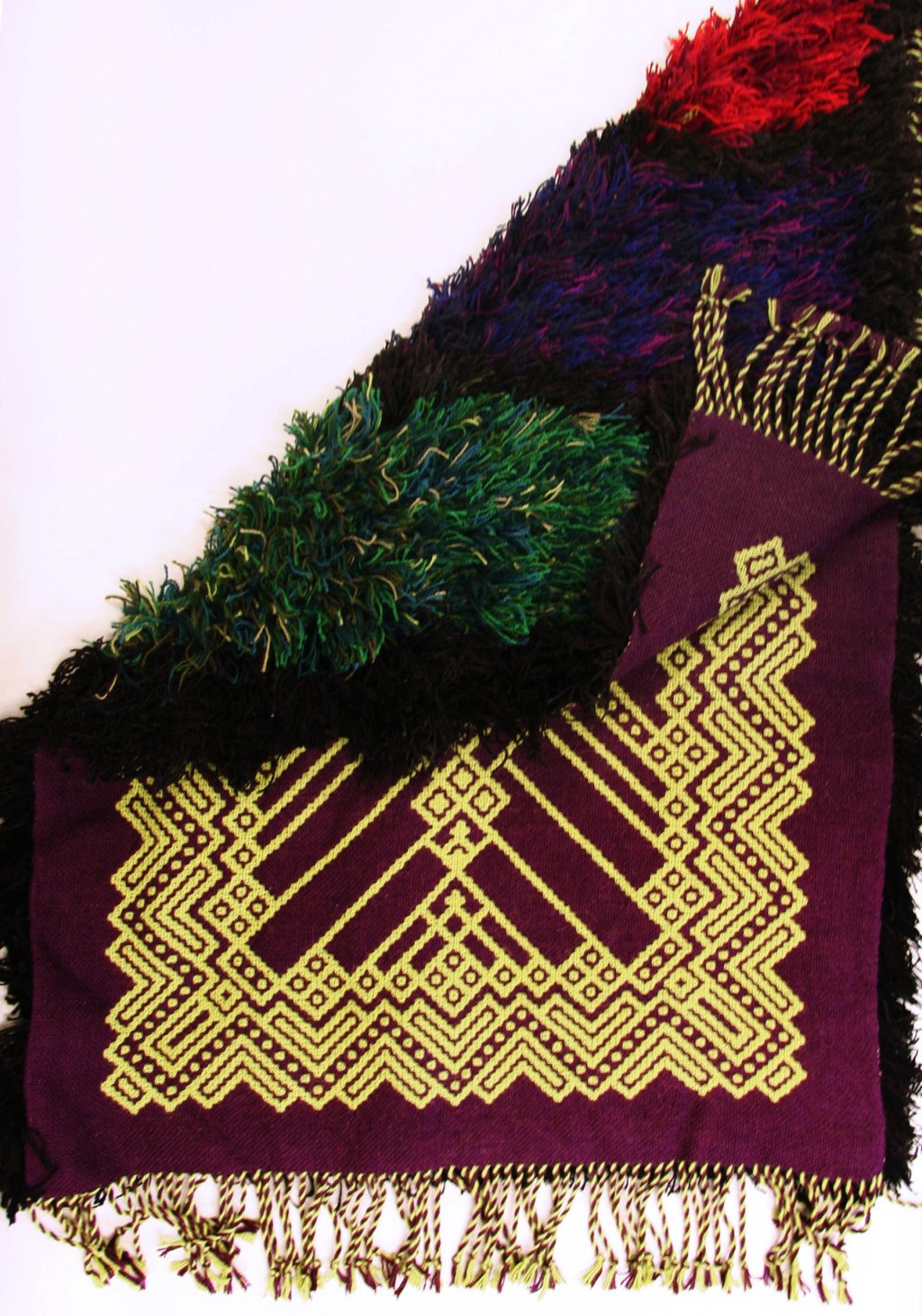
    On one side of the hanging, Laura wove an intricate pattern in a complex doubleweave technique.  She hid the knots of the rya pile between the two layers of the doubleweave. Because the doubleweave pick-up surface needs to be the upper side during weaving, she tied the knots upside-down on the lower surface. (Rya weavers would understand: this is tricky.)

    Rya3-1

    On the other side, colorful stripes of beautifully-blended yarns are dense and enticing. This piece perfectly fulfills its purpose as a warm throw.

    Rya2

    Biography:

    Laura Demuth has been weaving for over 30 years and enjoys all aspects of textile production, from raising the sheep to taking a finished piece off the loom. Living on a small acreage just  seven miles northeast of Decorah, Iowa, Laura has a small flock of registered Blue Faced Leicester sheep that keep her hands busy spinning wool all winter. She often dyes the handspun yarn with natural dyes from the garden before putting it to use in a woven or knitted textile.

    Because Laura lives so close to Decorah, Vesterheim Norwegian American Museum has been a continual source of education and inspiration throughout her weaving career. Laura has  focused on traditional weaving structures and techniques, especially bound weave and doubleweave.

    IM000401.JPG

    Don’t miss this piece and so many more in “Traditional Norwegian Weaving: American Reboot.” The opening night at Norway House, July 20, 5-8, would be a smashing time for a first peek.

  • A Tapestry with Soul

    A Tapestry with Soul

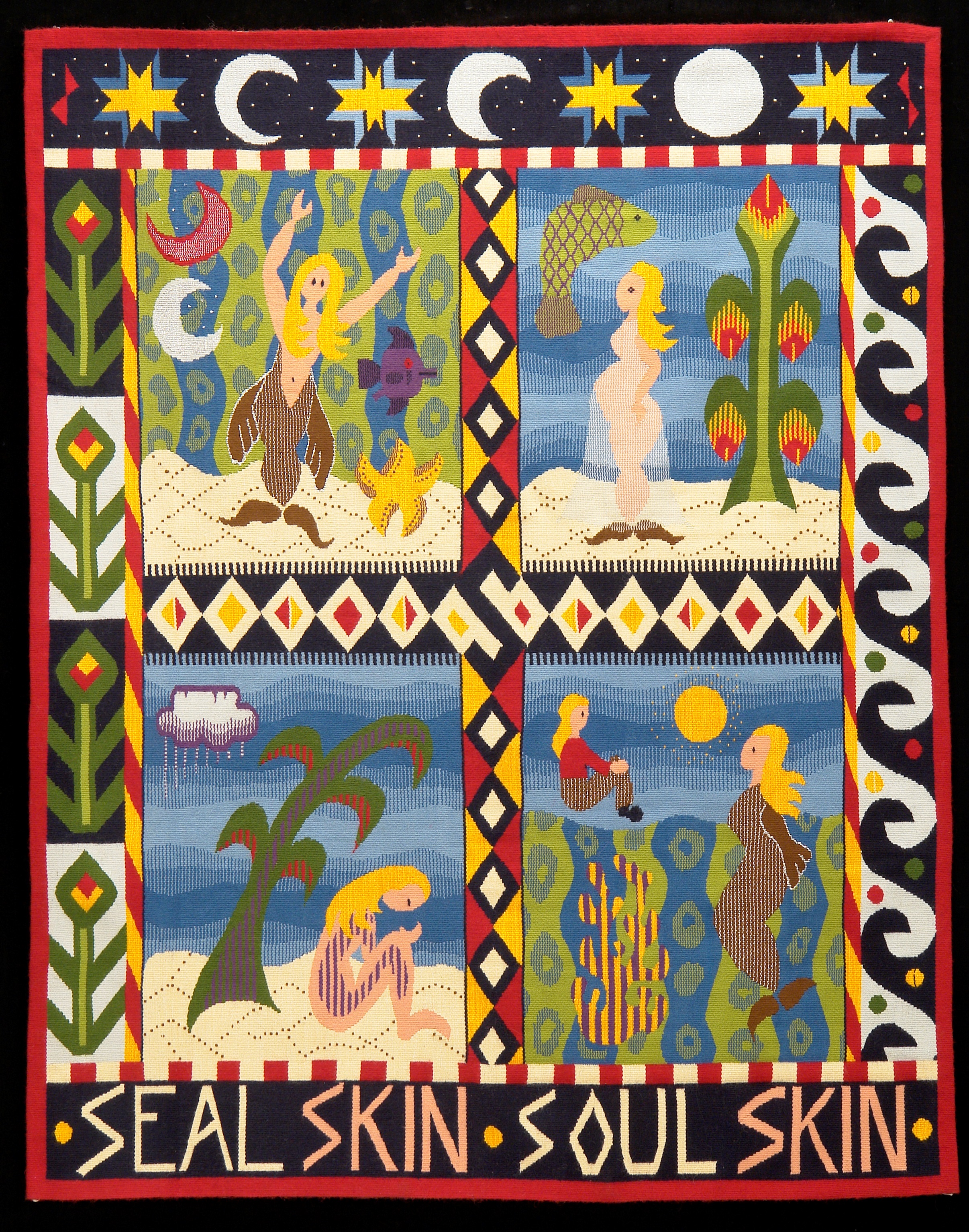
    The “Traditional Norwegian Weaving: American Reboot” exhibit this summer at Norway House includes a beautiful, large (59.5″ H x 47″W) tapestry by Susan Gangsei.

    Seal Skin Soul Skin
    “Seal Skin, Soul Skin” by Susan Gangsei


    Susan recounts the story: “Seal Skin, Soul Skin tells the story of a Selkie, a sea creature that can come up on land, take off her skin and dance in the moon light. One night a Selkie comes up on land and is dancing. A fisherman sees the Selkie and steals her skin so she cannot not go back home. He forces her to marry him and have his children in return for the promise to return her skin in 7 years. After 7 years the fisherman reneges on his promise to return her skin, so she begins to dry out. One of her children finds her skin, gives it back to her and she returns to her home the sea. Today she comes back to land to visit her children. This is a story of the renewal that come from returning home, returning to one’s whole and true self.”

    More about Susan:

    After weaving on a floor loom for many years, I was given an tapestry weaving class for a gift for my 50th birthday. Tapestry weaving become my passion and refuge.

    My tapestries tell stories. They start out telling a story about my life and end up telling a story about human kind. As life has presented me with challenges, my weaving has told my story through universal and biblical stories. My husband had Parkinson’s Disease and I was given the role of caregiver. The Burning Bush tapestry tells of my conversation with God, telling him I did not want that role, just like Moses did not want to lead the Israelites out of Egypt. The tapestry Jacob and the Angel tells the story of both the blessings and the wounds of being a caregiver, just like Jacob was wounded in his hip, yet blessed by God making him the father of Israel. The Seal Skin, Soul Skin tapestry talks about the need to renew oneself.

    The current style of my designs come from my Nordic background. Nordic tapestry has a folk art tradition that is more representational and “flat.” Colors are limited and used carefully. The fabric is structurally sound with use of multiple kinds of joins versus slits. The weaving is complex with use of outlining and patterns.

    Is Susan’s selkie tapestry a “reboot” of a traditional Norwegian style?  A tapestry owned by the Vesterheim Norwegian-American Museum shows medieval similarities to the format of Susan’s tapestry.  The Adoration of the Magi is divided in a similar four-frame style.

    You can see the tapestries that Susan references, along with other work, at her website: susangangsei.com


  • Knitting Right from the Spelsau Sheep

    Knitting Right from the Spelsau Sheep

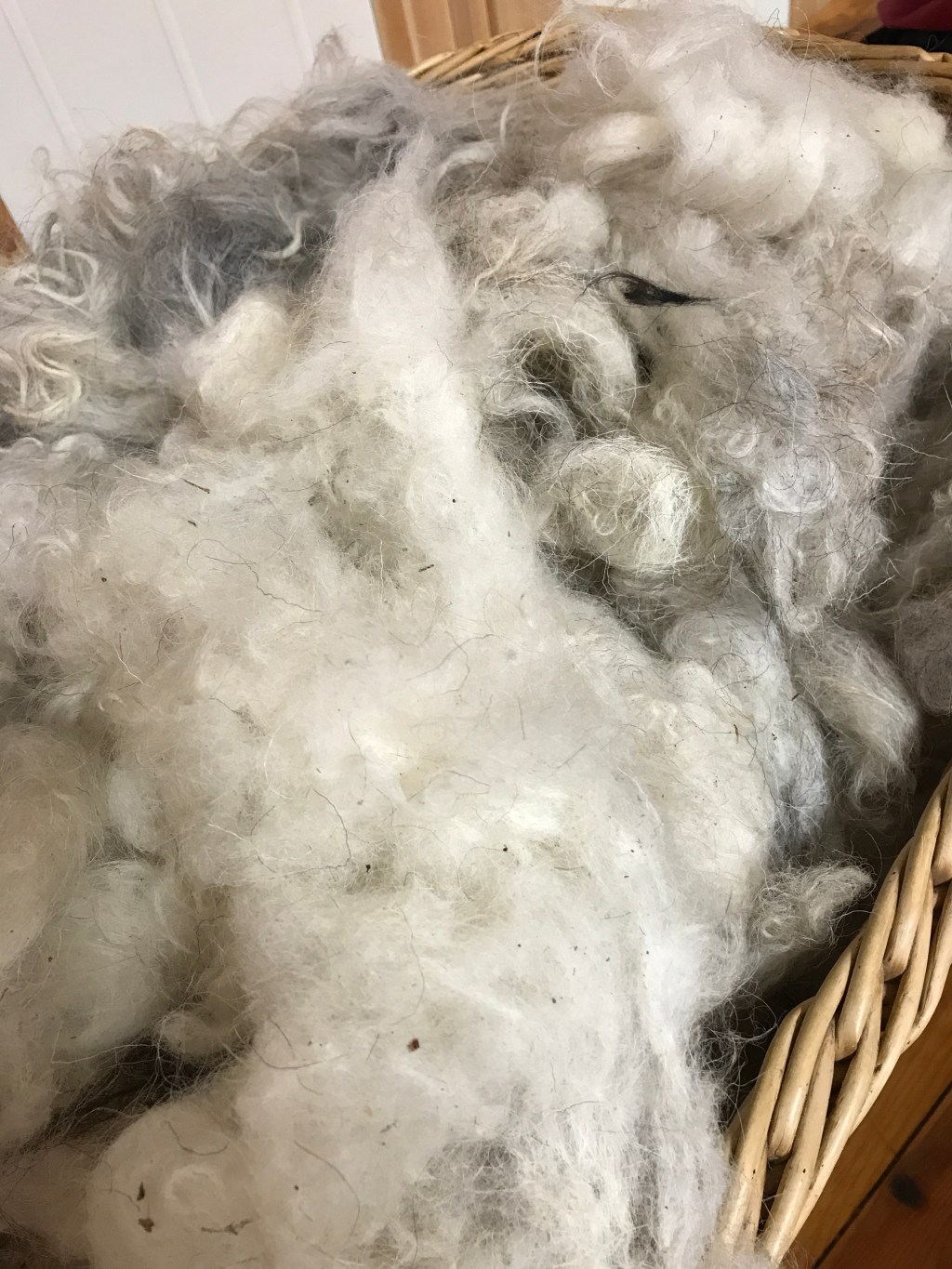
    Scandinavian Weavers Study Group members members Mary Skoy and Jan Mostrom enjoyed a class from Annemor Sundbø in Kristiansand, Norway, today. They knitted right from the fleece of the traditional Norwegian spelsau sheep–you know, skipping that pesky spinning step… Read more here. (And read more posts about the Textile Tour here.)

    IMG_4056

    JanIMG_4053


  • “Traditional Norwegian Weaving: American Reboot:” Take Classes Right in the Gallery

    The Norway House/Weavers Guild of Minnesota exhibit this summer, Traditional Norwegian Weaving: American Reboot, includes special events and programming.  (Full list here.) Three classes by Weavers Guild instructors will be offered, all on Mondays, and will be held right in the Norway House Galleri.  This is a great opportunity to learn a new skill while surrounded by the color and texture of the textiles in the show.  Sign up soon!

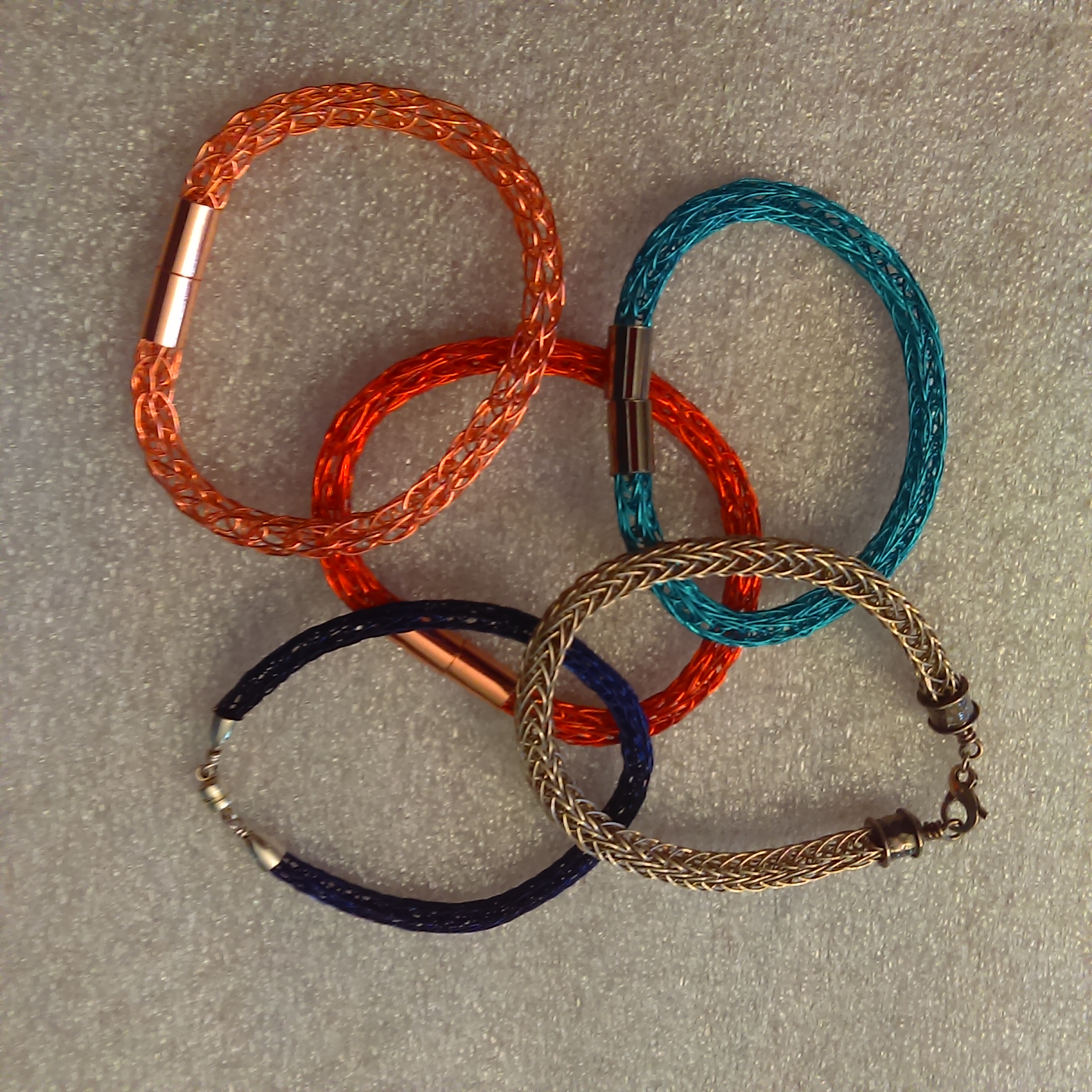
    Viking Metal Bracelet: July 24, 2017, 10 am – 2 pm. Instructor: Melba Granlund

    viking-knit

    Learn an ancient wire looping technique called Viking knit.  Dating back to the Viking era, it was used in jewelry making and as ornamentation on garments.  In this class, students will learn how to use various nickel-free wires (stainless steel, copper, brass, or gold plated copper) or colored artistic wire to create a one-of-a-kind bracelet.   Materials fee of $12 payable to the instructor.  Maximum number of students: 8. Sign up


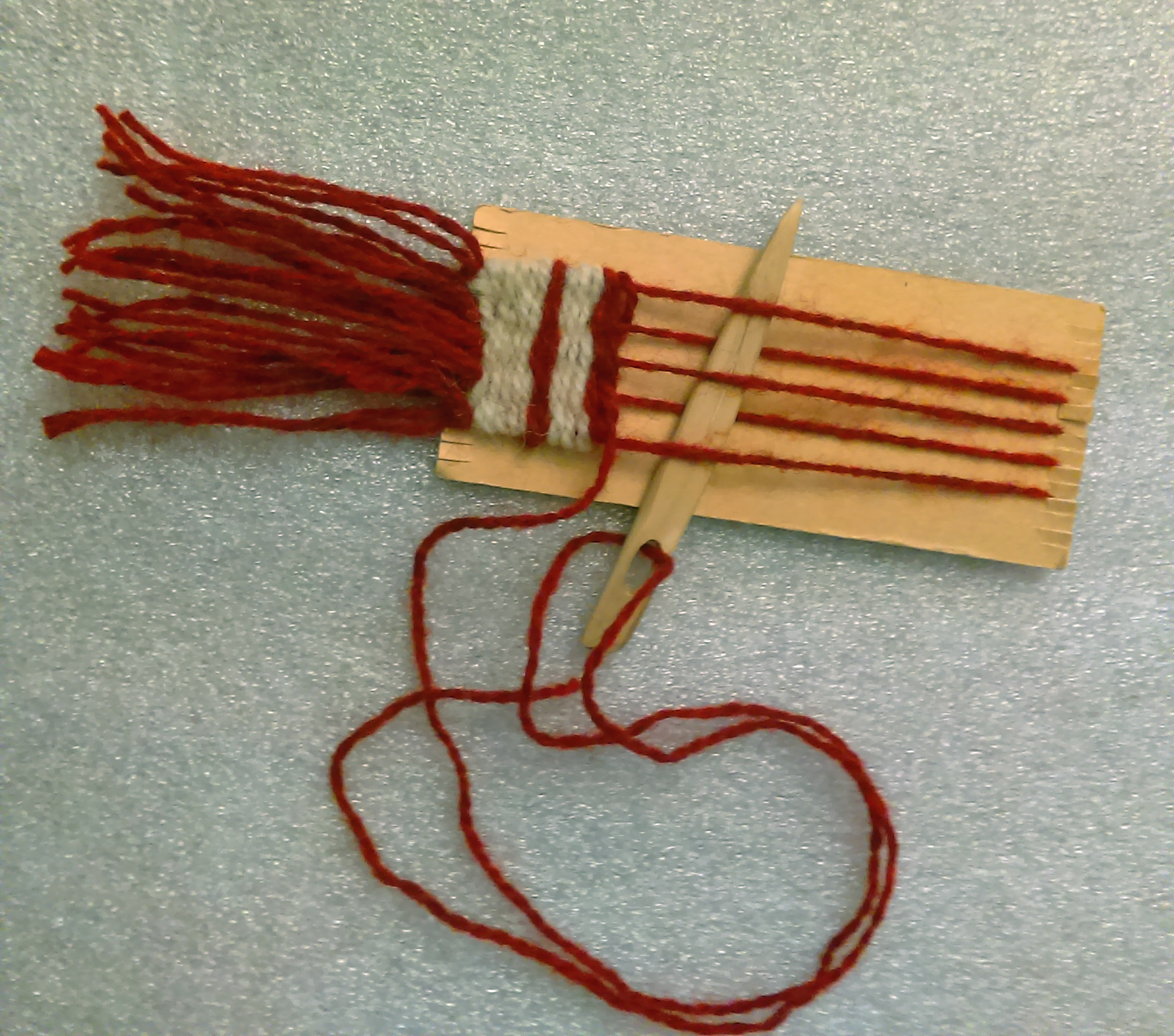
    Cardboard Loom Weaving for Kids: August 7, 2017, 10 am to 12 noon.  Instructor: Melba Granlund

    cardboard-loom

    Easy to learn weaving for kids (age 9 and older).  In this class, kids will learn basic weaving skills to make a bookmark using a needle, yarn or embroidery floss, and a cardboard loom.   All materials are provided.  A great project to keep little fingers and minds occupied on a long road trip or as an alternative to an electronic device. Choice of yarns and threads in bright, vivid colors make weaving fun.  If project does not get finished during the class, child may take their work home to complete on their own.  Materials fee of $5 payable to the instructor. Maximum number of students:  8. Sign up


    Sami-Style Band Weaving: Mondays, August 14 and 21, 12-4 pm.  Instructor: Keith Pierce


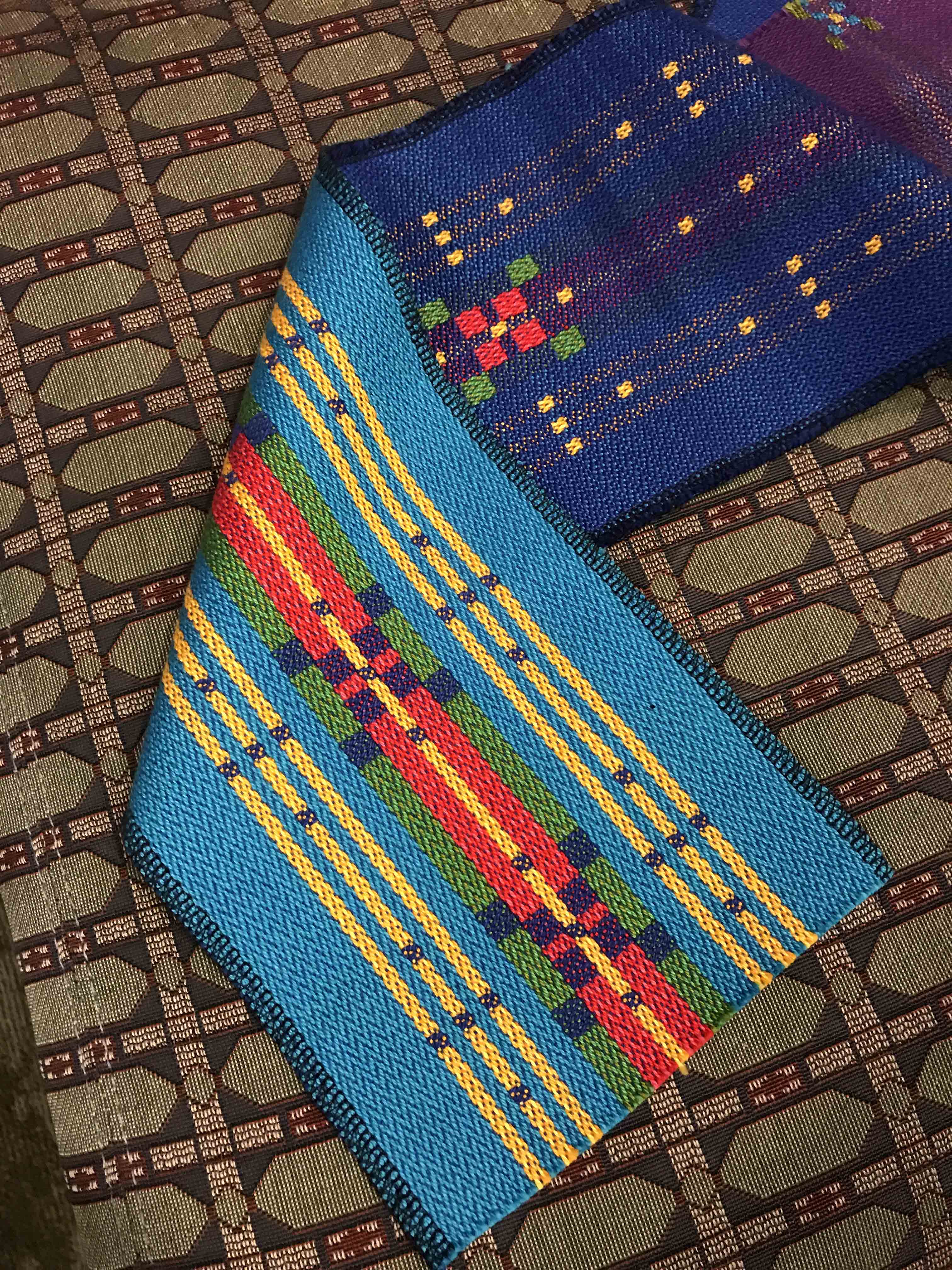
    keith-band-classLearn to weave intricately patterned and colorful bands found throughout Scandinavia and the Baltic regions, and used by the Sami people as embellishments on their folk costumes. Students will weave using methods and tools traditionally used for centuries in northern Europe. In the first session students will start weaving immediately with a pre-warped heddle and will learn to read a pick-up pattern to create short bands for bookmarks or key fobs. In the second session students will learn to warp a heddle for weaving a pattern of their choice. Maximum number of students: 8. Sign up

    A $20 materials fee is payable to the instructor and includes a variety of yarns and a heddle and shuttle that you can take home to create additional bands on your own.


  • Phyllis Waggoner’s Liturgical Textiles at Hennepin Methodist Church

    Several members of the Scandinavian Weavers Study Group were lucky to get a private tour of an exhibit of Phyllis Waggoner’s liturgical textiles, on view at the Hennepin Avenue United Methodist Church through June 6, 2017. The display includes six sets of liturgical textiles she wove in cotton damask for the church 25 years ago, one for each of the liturgical seasons. They were woven in 10/2 mercerized cotton, at 30 ends per inch, on a 20 shaft drawloom, with the ground shafts tied for a 6 shaft false damask. This example shows the difference between the front and the back in the type of weave structure she used.
    contrast

    The labels in the exhibit give detailed information on the seasons and symbolism, but it was especially fun to hear Phyllis recount stories of their creation—inside stories that her group of weaving friends would understand.

    The first set we examined was green, the color of the long season between Lent and Advent, sometimes referred to as the “Sundays after Pentecost” or “Ordinary Time.” Phyllis wove many symbols, including grapes for wine and wheat for the wafers of communion. “I had to start all over on the wheat,” she admitted, as her first attempt looked like little trees.  Along the edges is a border of small squares that mimics the borders on the beautiful stained glass windows in the church.  Phyllis was in the choir, and each each Sunday she examined the windows during two church services,  imagining textile patterns.

    wheat

    The red set is for Pentecost, and they should be displayed only on that day. But people love red, Phyllis noted, so often they are up for more Sundays. Note the bright pops of color in the sections of squares; Phyllis said she was inspired by a Pentecost choral anthem sung by the choir with an electronic accompaniment. It was modern, with intermittent, distinct sounds meant to portray wind, flames and many languages all spoken at once.

    red-pops

    Planning, weaving and sewing all the sets of paraments took two years in all. It was for her own church and she said, “I was motivated. I strongly wanted to do it.”

    Though she was paid, it was hardly a living wage for the long project. But Keith Pierce pointed out, “If you worried about money, you would have been a lawyer.”

    In the pattern for the blue Advent textiles, the red rose is for the Virgin Mary.

    advent

    When we looked at the purple Lent textiles, Phyllis felt compelled to point out a problem. “I messed up the lamb legs. Karen,” to which Karen replied that no, they all have four legs!
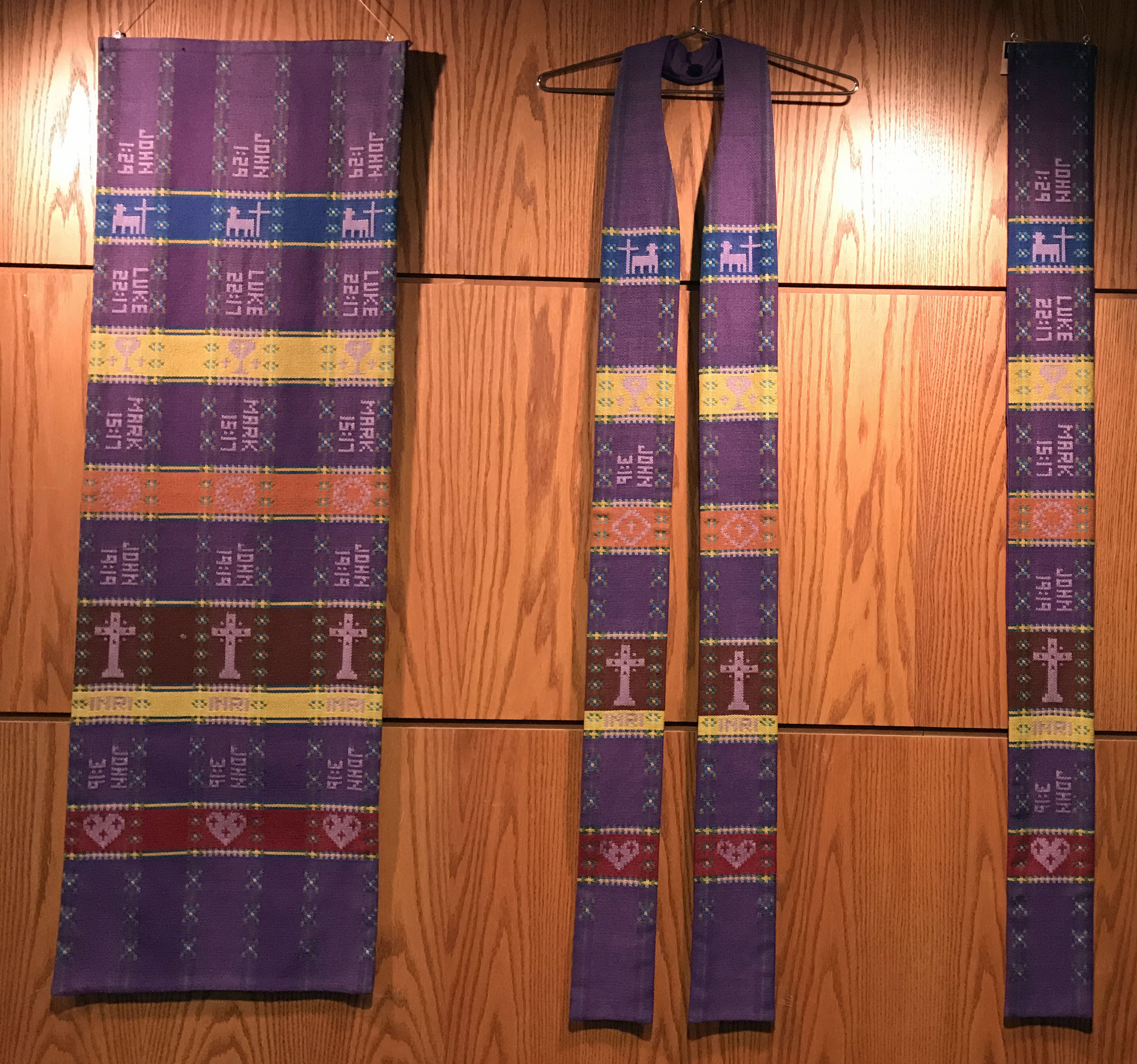
    purple

    The weaving looks difficult, but Phyllis minimized the complexity and emphasized the joy of draw loom weaving.  Examining one piece, she pointed out, “I just pull up when I want pink to show. It’s just pulling a cord. It’s fun! More important is the sett and beat so that the squares are equal.”

    The group was amazed at this large project.  “Did you run your designs past anyone?” someone asked.  No! Phyllis assured us.  Clearly, she was trusted.

    Through her weaving career, Phyllis made liturgical textiles for a number of churches in the Twin Cities and elsewhere, with her first paraments for Augsburg College. For  Concordia College in Moorhead, she was commissioned to weave challenging doublewoven sets in white and green, red and blue.  Each side was dominated by one color, so the same textiles could be turned over as the seasons changed.

    For a Lutheran church she wove a stole with a space-dyed warp. Unfortunately the pastor rejected it, saying it looked too much like tie-dye. Here, Phyllis holds a sample showing a space-dyed warp.

    space

    Whenever Phyllis undertook a commission, she took many photos of the pulpit and the area surrounding it, to get an idea of the architectural elements in place.  She aimed for textiles that wouldn’t stand out, but used designs to enhance the surroundings, rather than create too much visual contrast.

    For a Norwegian Church in South Dakota, she made a pulpit fall.  “In the old days,” a friend of Phyllis’s once explained, “the Bibles were so valuable that they were wrapped.”  That meant when the Bible was read during the service, it was unwrapped, and the “fall” draped over the front of the pulpit.

    This fall was on the pulpit when we visited.  “Look Mary,” Phyllis pointed out to Mary Skoy, “Do you see the Swedish knitting pattern in it?”

    swedish

    This work was inspiring; you might see a rash of drawloom weaving interest pop up at the Weavers Guild of Minnesota soon!

  • Traditional Norwegian Weaving: American Reboot

    Traditional Norwegian Weaving: American Reboot


    Traditional Norwegian Weaving: American Reboot

    An Exhibit at Norway House: July 20-September 10, 2017
    Sponsored by Norway House and the Weavers Guild of Minnesota


    Vesterheim-krokbragd
    A traditional krokbragd coverlet from the collection of the Vesterheim Norwegian American Museum

    Make Minneapolis your destination thus summer for an exhibit joining Norwegian weaving past and present. Inspired by historical textiles, American weavers have used Norwegian weaving techniques to create a new body of work, contemporary in design or materials. Enjoy traditional pieces from the collection of the Vesterheim Norwegian American Museum and outstanding weavings from recent decades that honor the past and break through with modern expression.  

    The exhibit of invited pieces (40 in all) is based around several techniques, including rya; tapestry; krokbragd and other boundweave variants; band weaving; and overshot weaves such as monks belt and skilbragd.  Other pieces are chosen to illustrate where American weavers learned their skills in Norwegian techniques, and where weaving in the Norwegian tradition has been exhibited over the years.

    Related events include lectures and classes and weaving demonstrations.  A loom will be set up in the gallery where members of the Scandinavian Weavers Study Group will weave a rutevev (square weave) runner.

    • Opening celebration: Thursday, July 20, 2017, 5-8 pm.
    • Gallery talks: Sundays, July 23 and August 13, 2 pm.
    • Weaving demonstrations: Wednesdays and Sundays from July 23-September 10, 12 pm-3 pm
    • Afternoon with an Expert, featuring Laurann Gilbertson, Curator, Vesterheim Norwegian-American Museum: Saturday, September 9, 1-3:30 pm.  Following the lecture, “Warmth and Color: Traditional Norwegian Coverlets,” Gilbertson will conduct an Antique ID clinic.  Members of the public are encouraged to bring Nordic textiles to learn more about their age, origin, and function (but no appraisals).   
    • Classes: Sami-style Band Weaving, Mondays, August 14 and 21, 12-4 pm; Make a Viking Knit Bracelet, Monday, July 24, 10 am-2 pm; Cardboard Loom Weaving for Kids, Monday, August 7, 10 am – noon.

    IMG_5189Information on the exhibit is also found on the Norway House website. Be sure to sign up for Sami-style Band Weaving with Keith Pierce, or Make a Viking Knit Bracelet with Melba Granlund. Maybe you know a kid to sign up for the fun introduction to weaving. This is a special opportunity to see the weaving exhibit in depth, as these Weavers Guild classes will be held at Norway House, right in the main gallery.

    Also, follow the Scandinavian Weavers Study Group blog in the coming weeks to read about many of the individual pieces.

    This 19th century “boat rya,” a treasure of the Vesterheim Norwegian-American Museum, will hang next to several contemporary rya weavings.


  • The Dukagång Experiment–Cut off the Loom

    Several curious Scandinavian Weavers Group members gathered to cut the dukagång group warp off the Glimakra last night.  It was so fun to see the completed pieces, right side up, and not just peeking from the back of the loom as they rolled around the beam.  Jan Mostrom, who should be duly thanked for her work setting up the project and getting the yarn, clipped it off. (There was a section of unwoven warp at the very end, which Lisa Torvik is going to use for firfletting.)

    IMG_3316

    Mary Skoy brought her sewing machine and sewed fine, straight seams between the pieces so they could be cut apart without raveling.

    IMG_3317

    Melba Granlund was the designated snipper.

    IMG_3319

    Oh, you wanted to see the individual pieces?  Coming soon.  They will be displayed on a wall of the Weavers Guild, and published here, on Friday.

  • Grene Demonstration on a Warp-Weighted Loom

    Grene Demonstration on a Warp-Weighted Loom

    Melba Granlund set up a warp-weighted loom (courtesy of the Vesterheim Norwegian-American Museum) at the 2017 Shepherd’s Harvest Festival, as part of the Weavers Guild of Minnesota booth.  She started work on a traditional Sami-style grene, a banded coverlet technique woven with thick, lofty wool.  It was a smashing success!  Though she planned to give a formal presentation at one point, that never happened.  Instead, she was inundated with questions from curious visitors from beginning to end.  And all that didn’t leave time for much actual weaving progress, only about 4-1/2 inches.

    melba-grene

    With the festival over, and the loom moved back to her home, Melba is continuing the project.  Watch the blog for updates on the grene, and a description of the wonderful yarn she is using.

    melba-grene-2

    Did you miss this cool loom at the Shepherd’s Harvest Festival this year?  There’s always 2018.  Melba said that there was so much interest that a warp-weighted loom demo would be great for next year, too.

  • Favorite Pattern Motif so Far? Stars.

    Favorite Pattern Motif so Far? Stars.

    On our Scandinavian Weavers group warp, three people have chosen to weave stars.  Recently, Lisa Torvik’s star peeps out as Sara Okern weaves a blue star.

    IMG_2579
    Lisa Torvik’s bright and festive star pattern
    IMG_2576
    Sara Okern said this was the first time she has woven anything but a rag rug.  Success! 
    IMG_2578
    Sara wove a blue star.