Tag: Weavers Guild of Minnesota

  • Rya: From a Weaving for Warmth, to Just Plain Wonderful

    Rya: From a Weaving for Warmth, to Just Plain Wonderful

    Rya coverlets are perfect for Norway, aren’t they? If you are covered with shaggy threads of wool, just like a sheep’s fleece, the heat of your body is trapped, and you manage to keep warm in a drafty old wood home, or a loft in a barn, or in a cold, damp fishing boat along the coast.

    boat rya
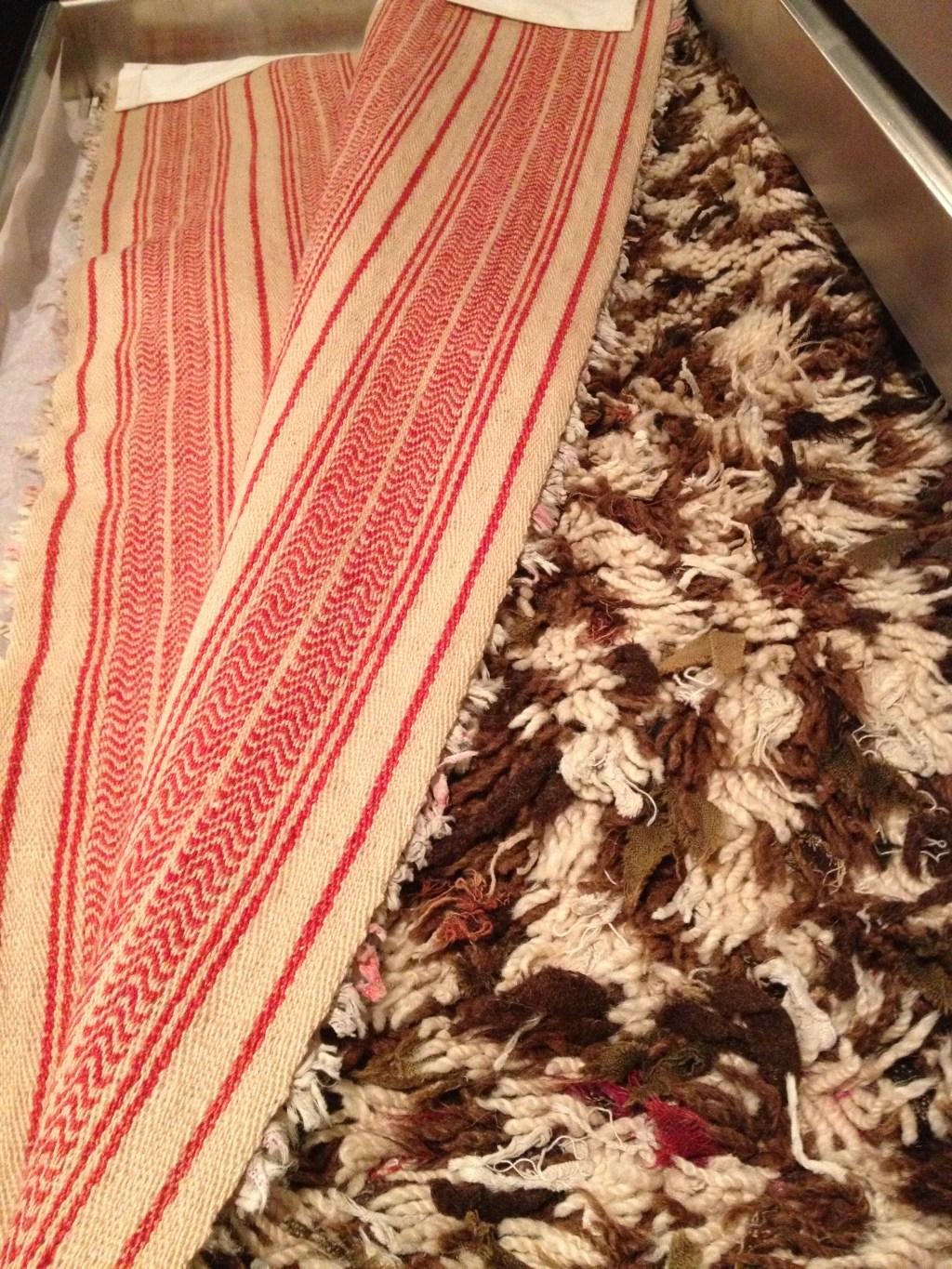
    Båtrye, or boat rya, from the collection of the Vesterheim Norwegian-American Museum


    Along the west coast of Norway, boat ryas were woven by women for everyday use in a hard climate. They were utilitarian, yet valuable textiles. Fishermen used the båtryer in boats on their trips to the offshore fishing banks, or while bunking in a cold and damp rorbu, or fisherman’s cottage. They were ideal to roll yourself up in against the cold and raw weather. The båtryer, with thick pile, were woven counterparts of sheepskins, but much better because a sheepskin stiffens when it gets wet.

    Women wove båtryer for their husbands and sons and they were used for many years, sometimes generations.  A boat rya used ten to twenty kilos of wool, which was a significant portion of the annual production of a small farm. To ensure they lasted it was important to dry them thoroughly between each use, so the yarns would not rot. They were crucially important objects, as illustrated by the story of a fisherman whose boat capsized. He floated in the water and thought about all of the things in the boat that were lost. When the rescuers arrived, his one thought was, “Save the rya first!”

    boatryadetailThe “Traditional Norwegian Weaving: American Reboot” exhibit includes a wonderful donated båtrye from Skodje, Sunnmøre, Møre og Romsdal, NorwayThe coverlet was made by Nikoline Indreberg, the great-grandmother of the donor, in ca. 1890, for her new husband Ole. The coverlet was one of the few belongings that the family brought with them when they had to move after Ole died.

    The smooth side of the rya was woven in twill weave with red and white bands. The pile side was woven with rya knots of wool, along with narrow strips of cloth. To save wool, weavers often used wool rags in the knotted pile. You used what you had.

    In addition to the important utilitarian boat ryas, by the eighteenth and nineteenth century another tradition of decorative rya bed coverlets developed, although not to the extent they were woven in Finland and Sweden. The patterns on the decorative top side were generally simple: checks, plaids, or warp-wise stripes in a variety of twills.


    Lisa-Anne Bauch
    Lisa-Anne Bauch

    Moving to contemporary pieces woven in rya technique, American weavers generally create pieces for wall display, and sometimes for pillows, too.  The ability to mix yarns in each rya knot enables subtlety and depth in color changes.  The textural aspect of the knots adds richness. Locally, the interest in rya led to a year-long study group and exhibit in 2015.  See “The Fruits of Rya Exploration.”

    moonlight
    “Moonlight,” Edvard Munch

    Lisa-Anne Bauch used the technique to mimic the atmosphere of a famous Edvard Munch painting, “Moonlight,” from 1895.  Lisa wrote, “I was fascinated by the way Munch captured the glint of moonlight on water. I replicated the effect by adding linen, which catches the light, to the wool knots. I also used a pale yellow yarn in the moonlit sections to draw the viewer’s eye.”

    BauchHighRes1

    Watch for posts on more contemporary ryas in the American Reboot exhibit.
     

  • A Two-sided Textile: Pick Your favorite Side

    A Two-sided Textile: Pick Your favorite Side

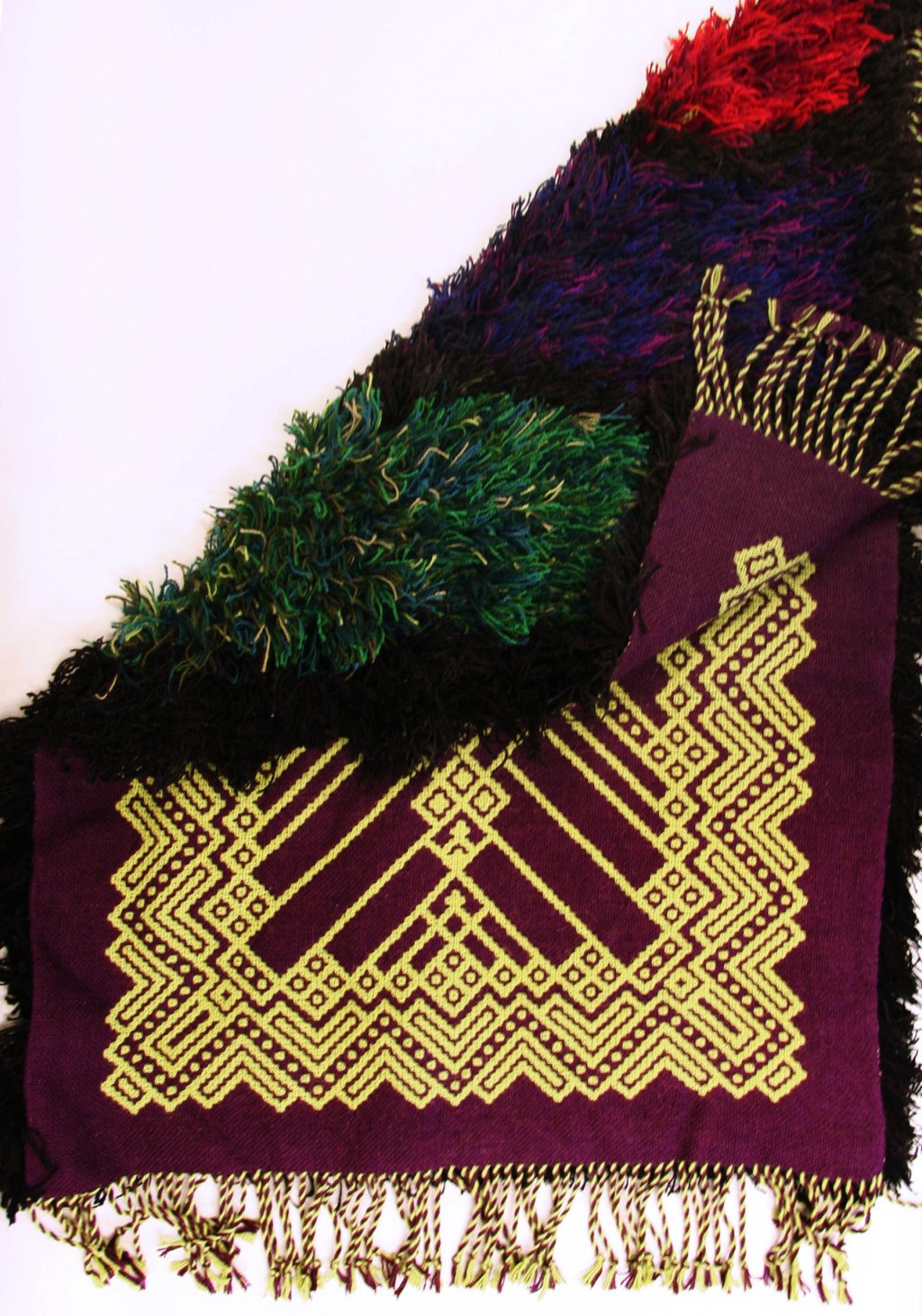
    Iowa artist Laura Demuth sets up amazing weaving challenges for herself.  Often, not content with just buying and weaving with beautiful wool, she spins and dyes yarn from her own sheep.  In a number of weavings she has gone beyond weaving for beauty on one side, and combined techniques to make unique two-sided textiles.  One of those will be included in the upcoming “Traditional Norwegian Weaving: American Reboot” exhibit at Norway House from July 20-September 10, 2017.

    On one side of the hanging, Laura wove an intricate pattern in a complex doubleweave technique.  She hid the knots of the rya pile between the two layers of the doubleweave. Because the doubleweave pick-up surface needs to be the upper side during weaving, she tied the knots upside-down on the lower surface. (Rya weavers would understand: this is tricky.)

    Rya3-1

    On the other side, colorful stripes of beautifully-blended yarns are dense and enticing. This piece perfectly fulfills its purpose as a warm throw.

    Rya2

    Biography:

    Laura Demuth has been weaving for over 30 years and enjoys all aspects of textile production, from raising the sheep to taking a finished piece off the loom. Living on a small acreage just  seven miles northeast of Decorah, Iowa, Laura has a small flock of registered Blue Faced Leicester sheep that keep her hands busy spinning wool all winter. She often dyes the handspun yarn with natural dyes from the garden before putting it to use in a woven or knitted textile.

    Because Laura lives so close to Decorah, Vesterheim Norwegian American Museum has been a continual source of education and inspiration throughout her weaving career. Laura has  focused on traditional weaving structures and techniques, especially bound weave and doubleweave.

    IM000401.JPG

    Don’t miss this piece and so many more in “Traditional Norwegian Weaving: American Reboot.” The opening night at Norway House, July 20, 5-8, would be a smashing time for a first peek.

  • “Traditional Norwegian Weaving: American Reboot:” Take Classes Right in the Gallery

    The Norway House/Weavers Guild of Minnesota exhibit this summer, Traditional Norwegian Weaving: American Reboot, includes special events and programming.  (Full list here.) Three classes by Weavers Guild instructors will be offered, all on Mondays, and will be held right in the Norway House Galleri.  This is a great opportunity to learn a new skill while surrounded by the color and texture of the textiles in the show.  Sign up soon!

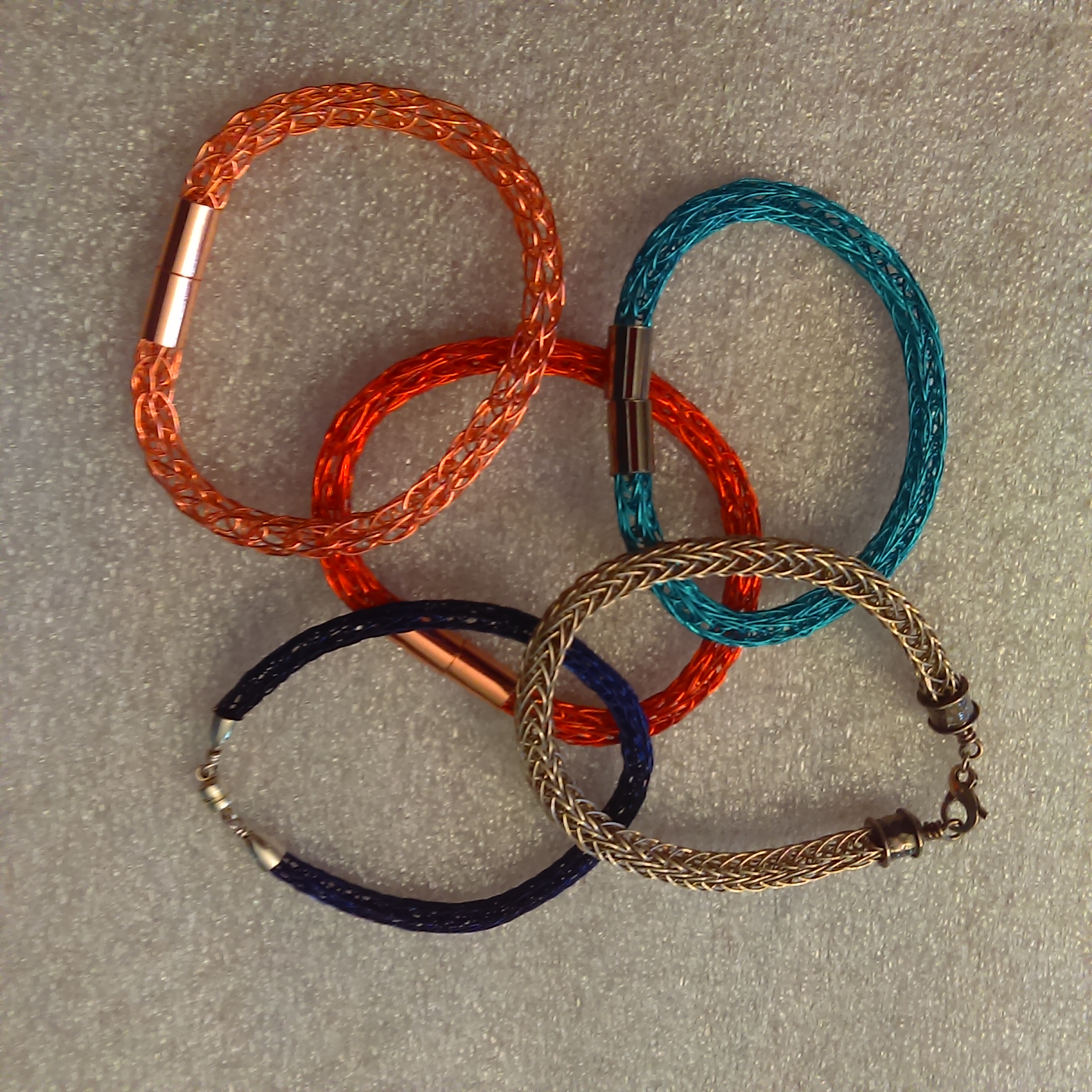
    Viking Metal Bracelet: July 24, 2017, 10 am – 2 pm. Instructor: Melba Granlund

    viking-knit

    Learn an ancient wire looping technique called Viking knit.  Dating back to the Viking era, it was used in jewelry making and as ornamentation on garments.  In this class, students will learn how to use various nickel-free wires (stainless steel, copper, brass, or gold plated copper) or colored artistic wire to create a one-of-a-kind bracelet.   Materials fee of $12 payable to the instructor.  Maximum number of students: 8. Sign up


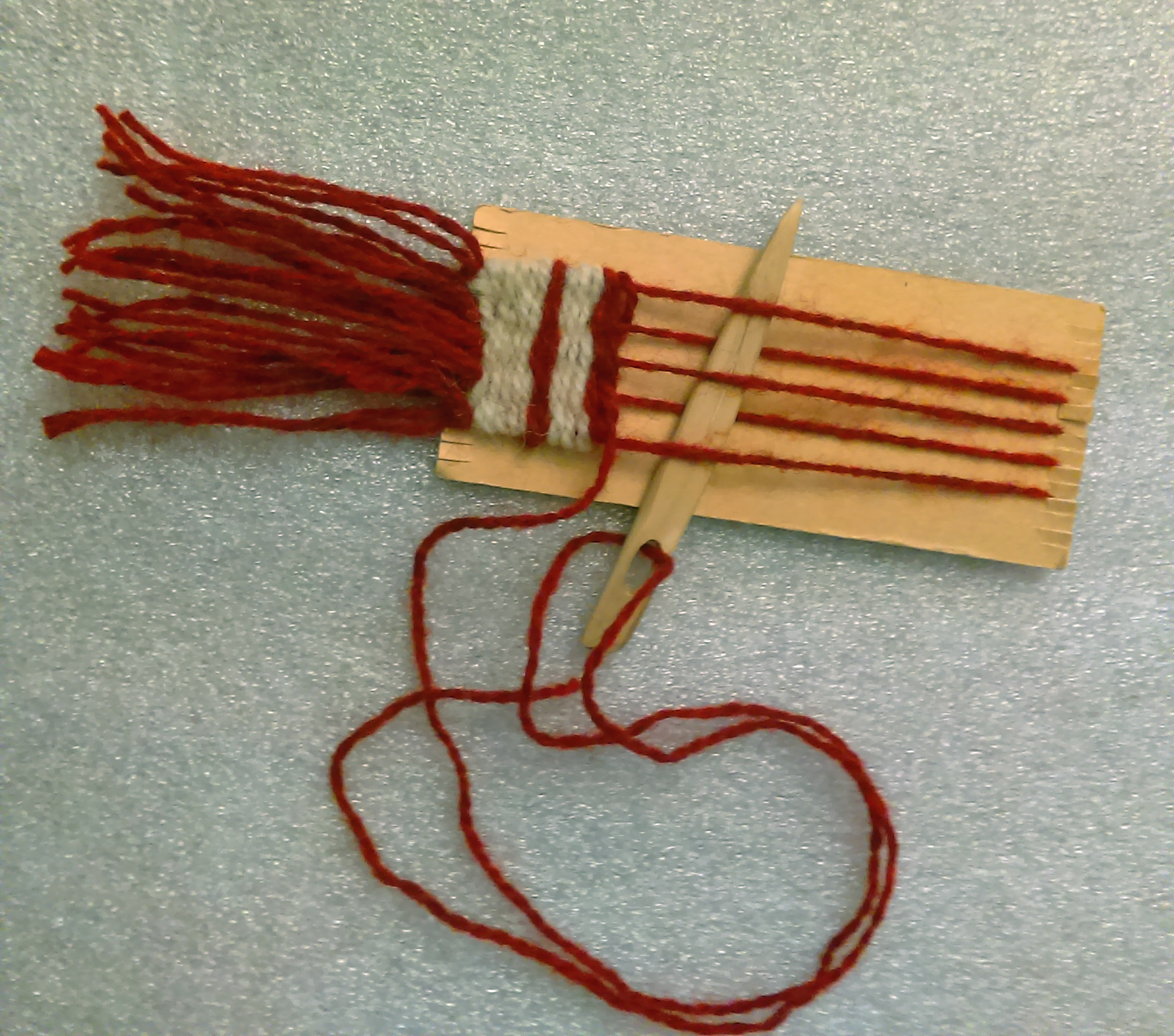
    Cardboard Loom Weaving for Kids: August 7, 2017, 10 am to 12 noon.  Instructor: Melba Granlund

    cardboard-loom

    Easy to learn weaving for kids (age 9 and older).  In this class, kids will learn basic weaving skills to make a bookmark using a needle, yarn or embroidery floss, and a cardboard loom.   All materials are provided.  A great project to keep little fingers and minds occupied on a long road trip or as an alternative to an electronic device. Choice of yarns and threads in bright, vivid colors make weaving fun.  If project does not get finished during the class, child may take their work home to complete on their own.  Materials fee of $5 payable to the instructor. Maximum number of students:  8. Sign up


    Sami-Style Band Weaving: Mondays, August 14 and 21, 12-4 pm.  Instructor: Keith Pierce


    keith-band-classLearn to weave intricately patterned and colorful bands found throughout Scandinavia and the Baltic regions, and used by the Sami people as embellishments on their folk costumes. Students will weave using methods and tools traditionally used for centuries in northern Europe. In the first session students will start weaving immediately with a pre-warped heddle and will learn to read a pick-up pattern to create short bands for bookmarks or key fobs. In the second session students will learn to warp a heddle for weaving a pattern of their choice. Maximum number of students: 8. Sign up
    A $20 materials fee is payable to the instructor and includes a variety of yarns and a heddle and shuttle that you can take home to create additional bands on your own.


  • Traditional Norwegian Weaving: American Reboot

    Traditional Norwegian Weaving: American Reboot


    Traditional Norwegian Weaving: American Reboot

    An Exhibit at Norway House: July 20-September 10, 2017
    Sponsored by Norway House and the Weavers Guild of Minnesota


    Vesterheim-krokbragd
    A traditional krokbragd coverlet from the collection of the Vesterheim Norwegian American Museum

    Make Minneapolis your destination thus summer for an exhibit joining Norwegian weaving past and present. Inspired by historical textiles, American weavers have used Norwegian weaving techniques to create a new body of work, contemporary in design or materials. Enjoy traditional pieces from the collection of the Vesterheim Norwegian American Museum and outstanding weavings from recent decades that honor the past and break through with modern expression.  

    The exhibit of invited pieces (40 in all) is based around several techniques, including rya; tapestry; krokbragd and other boundweave variants; band weaving; and overshot weaves such as monks belt and skilbragd.  Other pieces are chosen to illustrate where American weavers learned their skills in Norwegian techniques, and where weaving in the Norwegian tradition has been exhibited over the years.

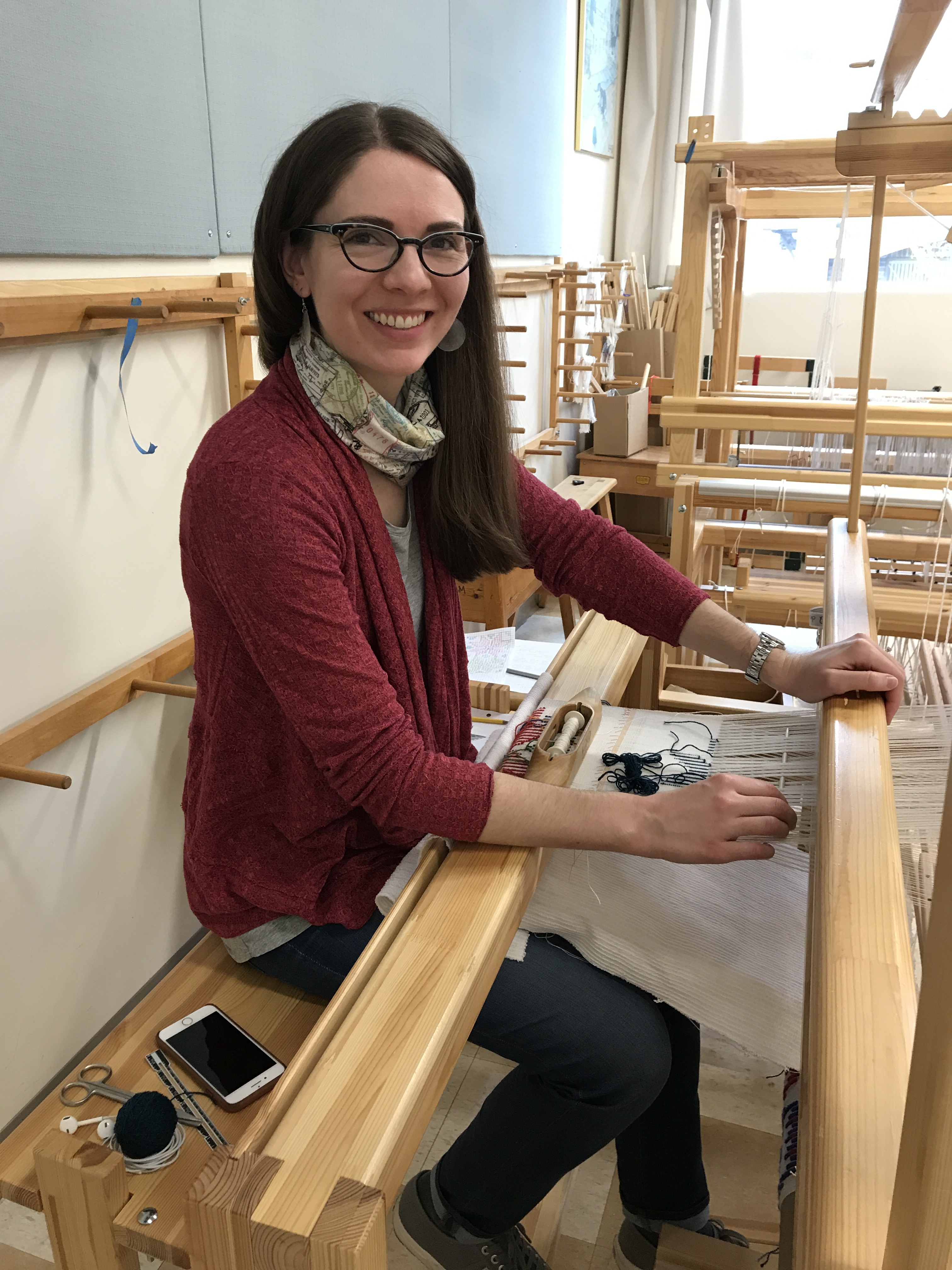
    Related events include lectures and classes and weaving demonstrations.  A loom will be set up in the gallery where members of the Scandinavian Weavers Study Group will weave a rutevev (square weave) runner.

    • Opening celebration: Thursday, July 20, 2017, 5-8 pm.
    • Gallery talks: Sundays, July 23 and August 13, 2 pm.
    • Weaving demonstrations: Wednesdays and Sundays from July 23-September 10, 12 pm-3 pm
    • Afternoon with an Expert, featuring Laurann Gilbertson, Curator, Vesterheim Norwegian-American Museum: Saturday, September 9, 1-3:30 pm.  Following the lecture, “Warmth and Color: Traditional Norwegian Coverlets,” Gilbertson will conduct an Antique ID clinic.  Members of the public are encouraged to bring Nordic textiles to learn more about their age, origin, and function (but no appraisals).   
    • Classes: Sami-style Band Weaving, Mondays, August 14 and 21, 12-4 pm; Make a Viking Knit Bracelet, Monday, July 24, 10 am-2 pm; Cardboard Loom Weaving for Kids, Monday, August 7, 10 am – noon.

    IMG_5189Information on the exhibit is also found on the Norway House website. Be sure to sign up for Sami-style Band Weaving with Keith Pierce, or Make a Viking Knit Bracelet with Melba Granlund. Maybe you know a kid to sign up for the fun introduction to weaving. This is a special opportunity to see the weaving exhibit in depth, as these Weavers Guild classes will be held at Norway House, right in the main gallery.

    Also, follow the Scandinavian Weavers Study Group blog in the coming weeks to read about many of the individual pieces.

    This 19th century “boat rya,” a treasure of the Vesterheim Norwegian-American Museum, will hang next to several contemporary rya weavings.


  • The Dukagång Experiment–Cut off the Loom

    Several curious Scandinavian Weavers Group members gathered to cut the dukagång group warp off the Glimakra last night.  It was so fun to see the completed pieces, right side up, and not just peeking from the back of the loom as they rolled around the beam.  Jan Mostrom, who should be duly thanked for her work setting up the project and getting the yarn, clipped it off. (There was a section of unwoven warp at the very end, which Lisa Torvik is going to use for firfletting.)

    IMG_3316

    Mary Skoy brought her sewing machine and sewed fine, straight seams between the pieces so they could be cut apart without raveling.

    IMG_3317

    Melba Granlund was the designated snipper.

    IMG_3319

    Oh, you wanted to see the individual pieces?  Coming soon.  They will be displayed on a wall of the Weavers Guild, and published here, on Friday.

  • Favorite Pattern Motif so Far? Stars.

    Favorite Pattern Motif so Far? Stars.

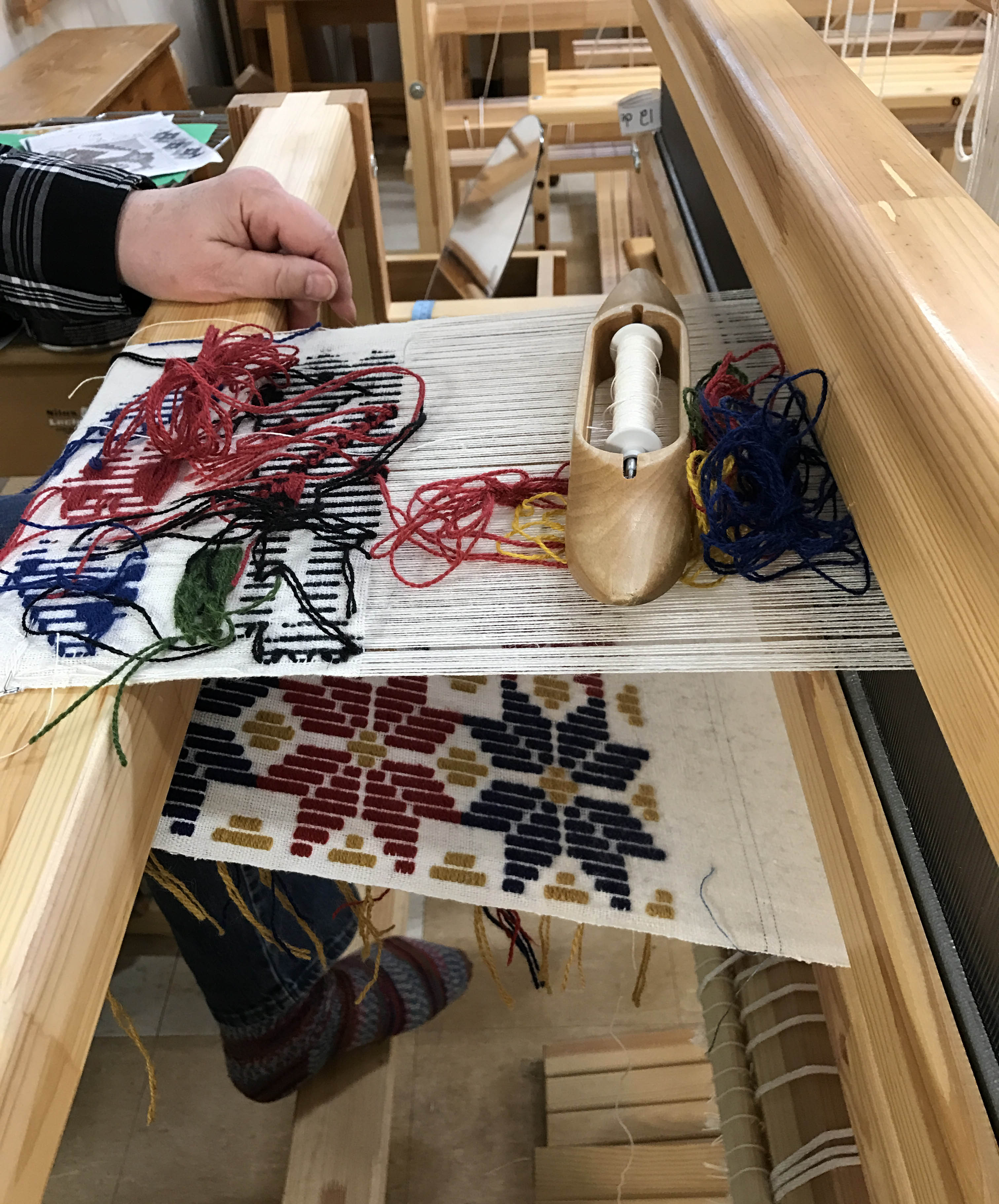
    On our Scandinavian Weavers group warp, three people have chosen to weave stars.  Recently, Lisa Torvik’s star peeps out as Sara Okern weaves a blue star.

    IMG_2579
    Lisa Torvik’s bright and festive star pattern
    IMG_2576
    Sara Okern said this was the first time she has woven anything but a rag rug.  Success! 
    IMG_2578
    Sara wove a blue star.
  • Norwegian Yarn in the Swedish Dukagång

    Norwegian Yarn in the Swedish Dukagång

    Karin Maahs finished her piece, and her pattern weft was sentimental. She used thin Norwegian yarn her grandmother used to embroider bunads (Norwegian costumes).

    One day her pattern was sitting on the loom. “Oh nice, that’s what was just finished,” I thought as I snapped this photo.  Clearly I had not looked carefully, as that was the just completed piece, and Karin’s pattern ready to start.  Weaving from the back makes this process hard to document!

    karin2

    Here’s Karin’s piece, underway.  It will be nice to photograph all the pieces once they are off the loom.  For now, it still looks great at this weird angle.

    karin


  • Dukagång Group Project Underway

    Dukagång Group Project Underway

    By Robbie LaFleur

    Last year and this year our Scandinavian Weavers study Group is focusing on Swedish weaving, with a particular interest in linen.  We’ve begun a group project on one of the two Glimakra looms at the Weavers Guild of Minnesota.  We put on a 12″ wide warp of 20/2 half-bleached linen, set at 24 epi, to experiment with dukagång. Jan Mostrom deserves special thanks for ordering the yarn and winding the warp.

    jan-wind-warp

    Jan and Phyllis Waggoner warped; Melba Granlund helped, too.

    jan-phyllis-warping

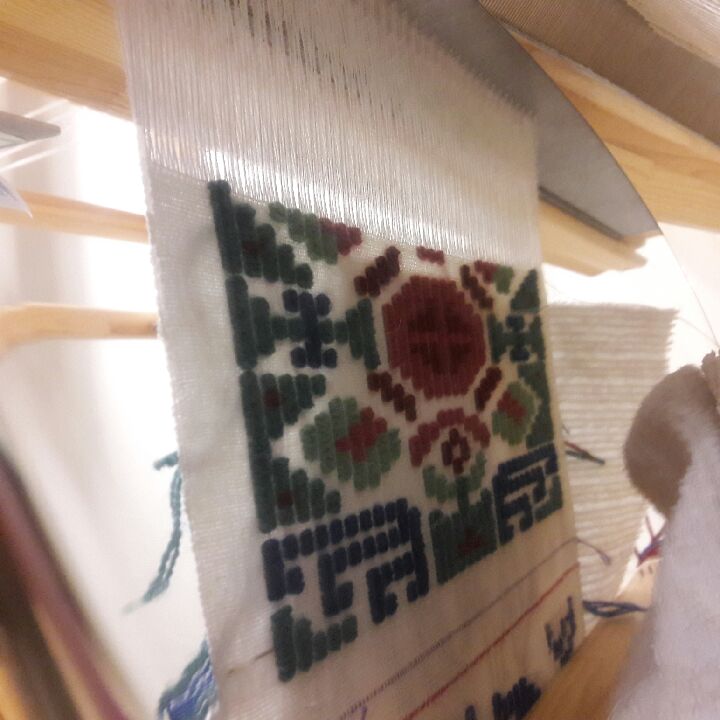
    Their efforts resulted in a even-tensioned warp with a beautifully wide shed. Each of 12 weavers will weave 12-18″. I was the first to test the warp, and I chose an image I frequently weave — can you tell from the back? Dukagång is woven from the back.

    scream-back

    Jan Mostrom was the second one to weave, and the right side of my piece peeked at her as it wound through the loom. Now you’ll get it.

    scream-under

    Jan Mostrom was next on the loom; look at her beautiful stars–or as much as you can see, at this point. Melba Granlund was the third person to weave; you can see the back of her piece here.  A little hard to decipher…

    jans-stars

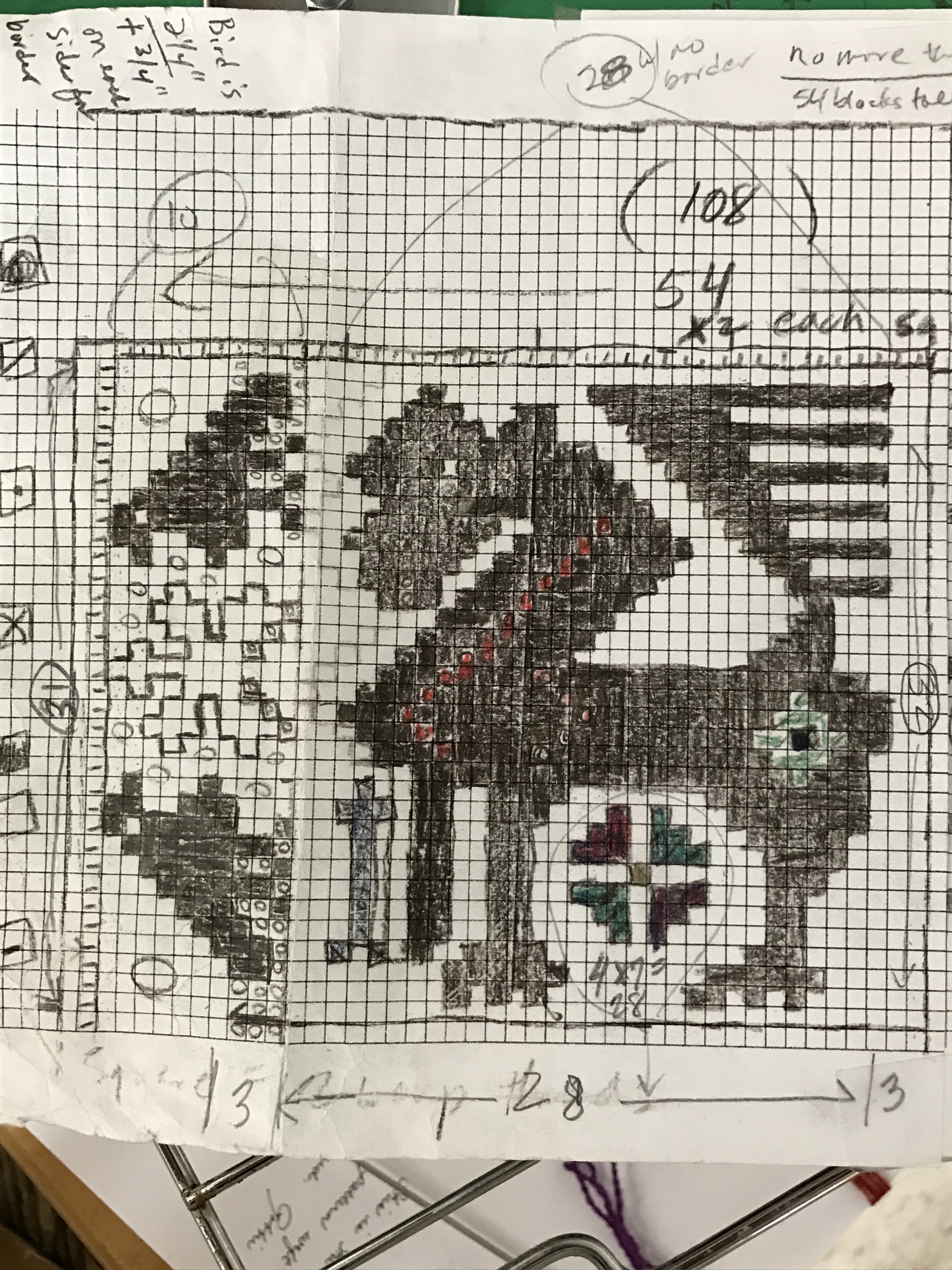
    Here’s Melba’s pattern: birds, a fabulous griffin, and a stylized floral border.

    IMG_2245

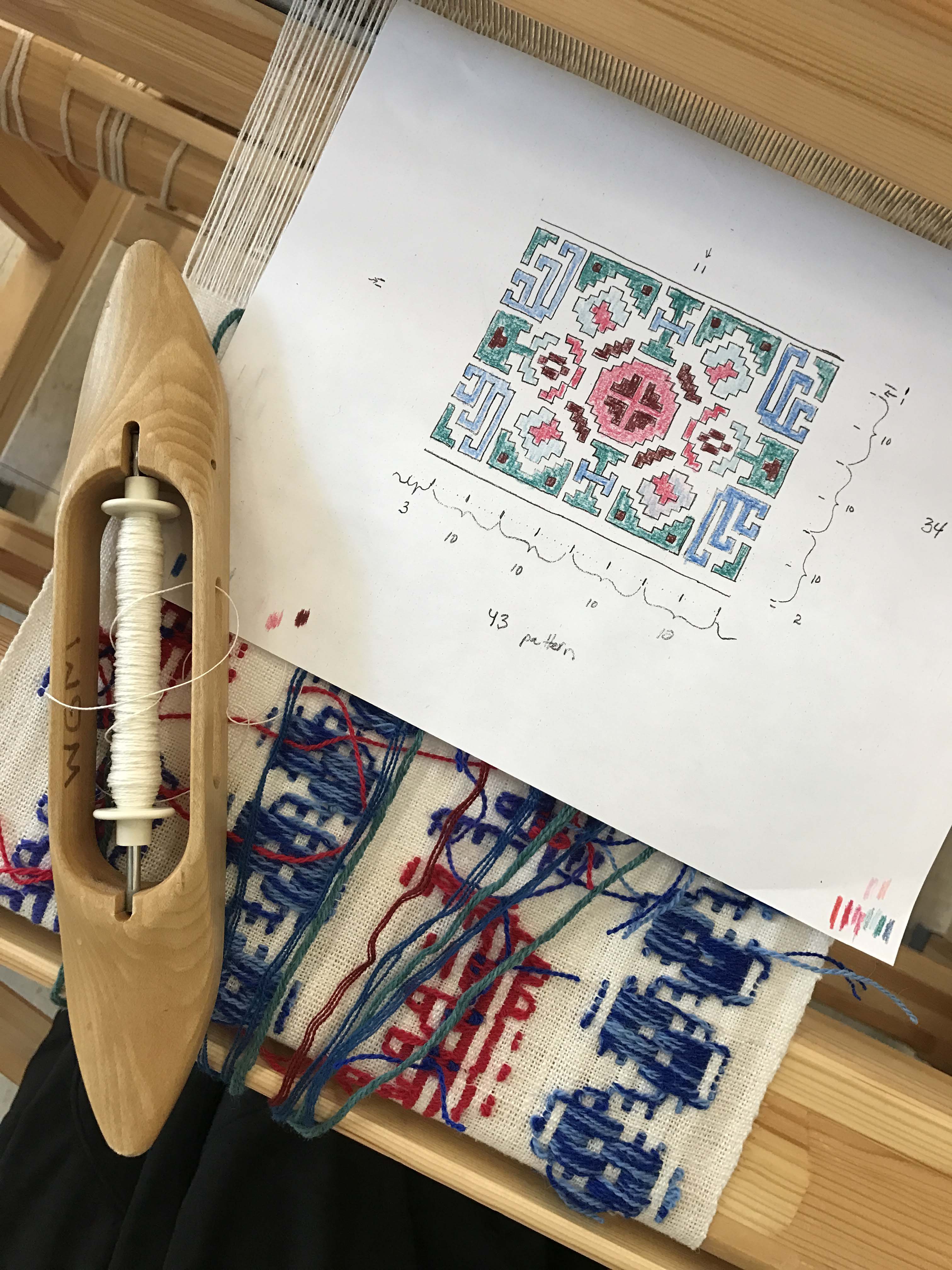
    A problem with weaving grid-based patterns is remembering where you left off.  I solved it by highlighting each new row before I wove it.

    scream-grid

    Melba’s system was more ingenious.  She asked her husband, “Don’t you have a magnetized clipboard?”  Shortly after, he came from the basement with a tool, a discarded metal refrigerator rack with a strong magnet. Melba moved the pattern as she finished each row.

    IMG_2246

    I’ll share more photos as this magical warp progresses, and the cut-off day will be super fun.


  • Krokbragd, Big and Small

    Krokbragd, Big and Small

    img_2192By Robbie LaFleur

    This month Melba Granlund, a member of our Scandinavian Weavers Study Group, gave a talk at another of our Weavers Guild interest groups, the New and Occasional Weavers, about krokbragd.  She asked me to bring along a piece I made, a krokbragd backed by a skinnfell.


    The weaving incorporates traditional pattern elements from Lom and Skjåk in Norway.  For the Norwegian Textile Letter, I had translated an article from a 1985 issue of the Norwegian magazine, Husflid, and wove five pieces, experimenting with the traditional pattern bands.

    You can read the article and see photos of some of the “old pattern” pieces, here.

    At the New and Occasional Weavers meeting, one person expressed interest in trying out krokbragd at a fine sett. That seemed like a fine experiment, though no one had any particular guidance to give.

    A few days later, for a completely different reason, I was looking through previous issues of the Norwegian Textile Letter, and ran across a photo of a small-scale krokbragd woven by Catherine Forgit, in the same pattern as my larger one.  She wove it from the pattern I had published.

    cathy-old-pattern

    Cathy’s version is 11″ x 16.” Shrinking down a coverlet technique traditionally used for bed coverings in the cold climate of Norway makes a piece that could even be called darling. She used a wool warp (but doesn’t remember exactly what brand of yarn), set 16 ends per inch.  The weft was Rauma billdevev yarn (tapestry yarn). She wove it on her four-shaft floor loom, and doesn’t remember having any particular difficulties. “It was fun to weave.”

    Cathy lives outside of Fertile, Minnesota – way up north.  She reports, “It’s been a good winter for weaving and other fiber things – too cold to go outside!”  I hope her sheep are warm, too.

  • RED – Claire Most

    Theme and Variation. 27″ x 45″ Double-binding technique. Cotton warp and cotton fabric weft.

    IMG_5276